What to wear to hot yoga in Bali is simple: fitted, moisture-wicking shorts or leggings, a snug sports top, and nothing on your feet. Skip cotton, because it soaks up sweat and stays heavy in the 40°C natural heat. Bring two or three sets if you plan to practise all week.

What to Wear to Hot Yoga in Bali: The Quick Answer
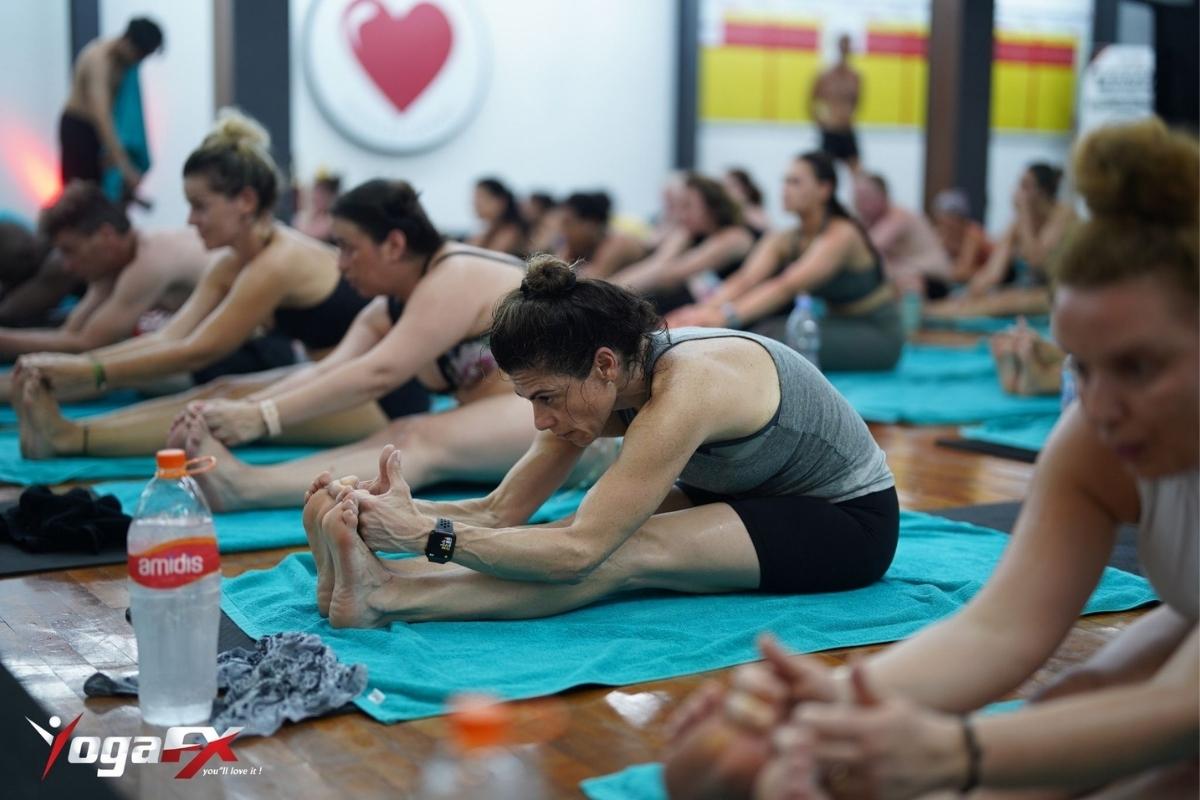
Here is what to wear for a 90-minute Bikram Hot 26&2 class at a Bali studio. Keep it light, fitted, and quick-drying. That is the core of what to wear, and everything else is detail. You’ll feel the difference from the very first posture.
- Bottoms. Fitted shorts or capri leggings in a moisture-wicking fabric.
- Top. A supportive sports bra, a snug tank, or both. Many men practise in shorts alone.
- Feet. Bare. Hot yoga is a barefoot practice.
- Hair. Tied off your face and neck, with a spare tie in your bag.
- Extras. A large towel, a mat towel, and a water bottle of at least one litre.
That’s the whole list. The rest of this guide explains why each choice works, so you can adapt it to your body and your comfort.
What to wear to hot yoga: women
For women, what to wear usually means a sports bra with fitted shorts or capri leggings. Add a snug tank if you want more coverage. Choose a bra with real support, because you’ll bend, twist, and fold for 90 minutes.
Full-length leggings work, but they hold more heat. Many students find shorts or capris more comfortable in Bali’s humidity. A high waistband also stays put when you fold forward.
What to wear to hot yoga: men
For men, what to wear comes down to shorts that stay in place. Choose fitted or short-length shorts in quick-dry fabric. Baggy board shorts slide around in forward bends and soak up sweat. If you’d like a top, pick a snug synthetic tank.
Why Bali’s Heat Changes What to Wear
Hot yoga at home usually means electric heaters and cool, dry air outside. Bali doesn’t work that way. Our studios use natural tropical heat, about 40°C and 40% humidity, for a 90-minute class.
A 2025 systematic review of 43 hot yoga studies, covering 942 participants, found that a single hot session raises body temperature and heart rate. The authors also list clothing among the factors that change how the body exchanges heat. You can read the review, Hot Yoga: A Systematic Review of the Physiological, Functional and Psychological Responses and Adaptations, on PubMed Central.
The same review cites one study that measured average sweat losses of 1.5 litres over a 90-minute Bikram class. So your kit has to handle a lot of moisture. Humidity adds a second problem, because sweat evaporates slowly in damp air and damp kit dries slowly too.
Health guidance backs the basic idea. The NHS advises light-coloured, loose clothing and plenty of cold drinks to help prevent heat exhaustion in hot weather. For yoga, we keep the light, breathable part and choose a snugger cut, since loose fabric clings and hides your alignment.
That’s why what to wear in Bali is as much about drying time as about comfort. Choose fabric that lets sweat leave your skin, and your whole class gets easier.
Fabric Guide: What to Wear Instead of Cotton
Fabric matters more than brand when you decide what to wear. Cotton soaks up sweat and holds it against your skin. After about 20 minutes it feels heavy and clingy. In Bali’s humidity, it can stay damp for most of a day.
Look for wicking fabric, which pulls moisture away from the skin so it can evaporate. Most synthetic blends do this well. The table shows how common choices compare.
| Fabric or cut | In a 40°C class | Drying time in Bali | Verdict |
|---|---|---|---|
| Cotton | Absorbs sweat and turns heavy | Slow | Avoid |
| Polyester or nylon with elastane | Wicks moisture and stays light | Fast | Best choice |
| Synthetic with mesh panels | Adds airflow where you sweat most | Fast | Good choice |
| Loose t-shirt, any fabric | Clings and hides your alignment | Slow | Avoid |
Colour matters less. Light tones show sweat, while dark tones hide it. Pick whatever lets you focus on the class and not on your reflection.
Also wash new kit once before you wear it. Some new synthetic gear wicks less until it has been through a wash or two, so a fresh-from-the-packet outfit may feel worse on day one.
What to Bring to Every Class, Not Just What to Wear
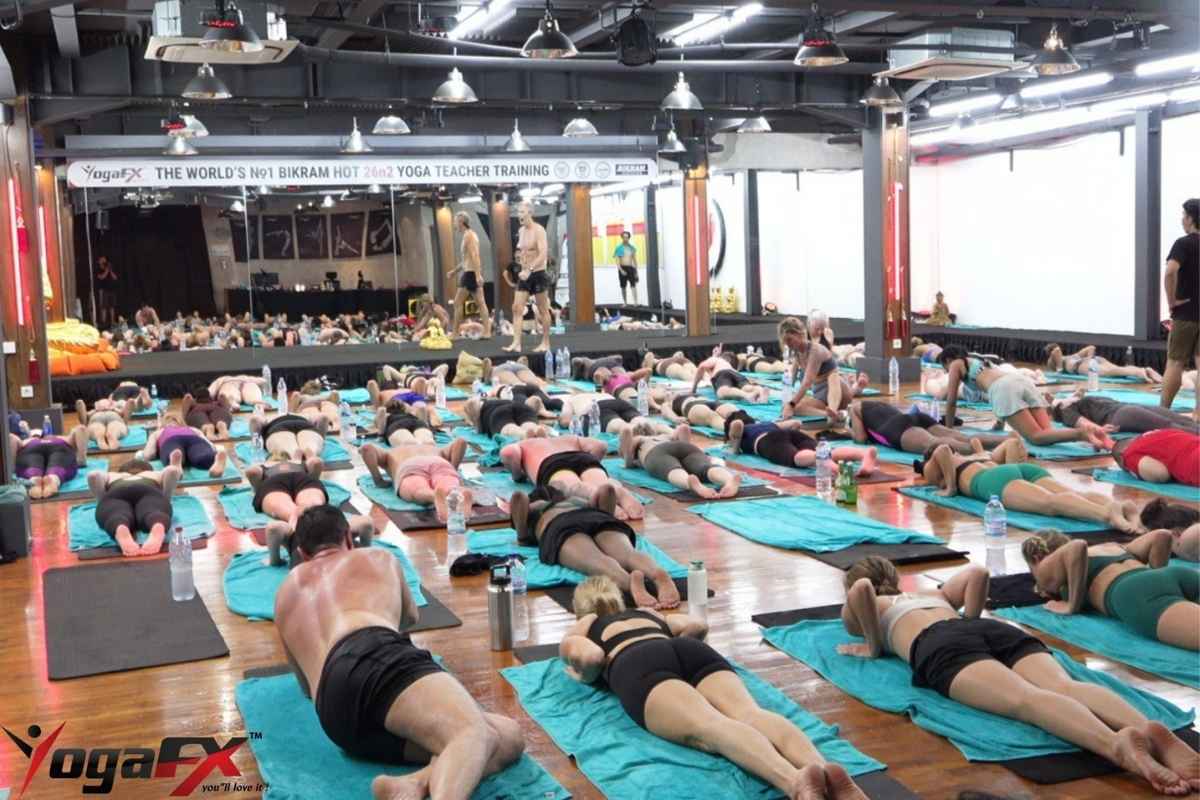
Clothing is only half of your kit, and what to wear is the easy half. These items make the 90 minutes easier, and most of them cost very little.
| Item | Why it matters |
|---|---|
| Large sweat towel | You’ll wipe your hands and face often to keep your grip in balance postures |
| Mat towel | Lies over your mat to absorb sweat and stop slipping |
| Water bottle, 1 litre or more | You’ll sweat a lot, so start hydrated and sip when your teacher allows |
| Dry change of clothes | Damp kit stays damp in Bali, so you’ll want something dry afterward |
| Spare hair tie | Ties tend to fail after 90 minutes of sweat and movement |
| Mesh or ventilated bag | Keeps wet towels and kit from smelling in your tote |
The systematic review recommends starting hot yoga well hydrated, so drink water through the day and not just in the hour before class. For ideas on timing your meals, read our guide on what to eat before and after hot yoga.
7 Mistakes to Avoid When Deciding What to Wear
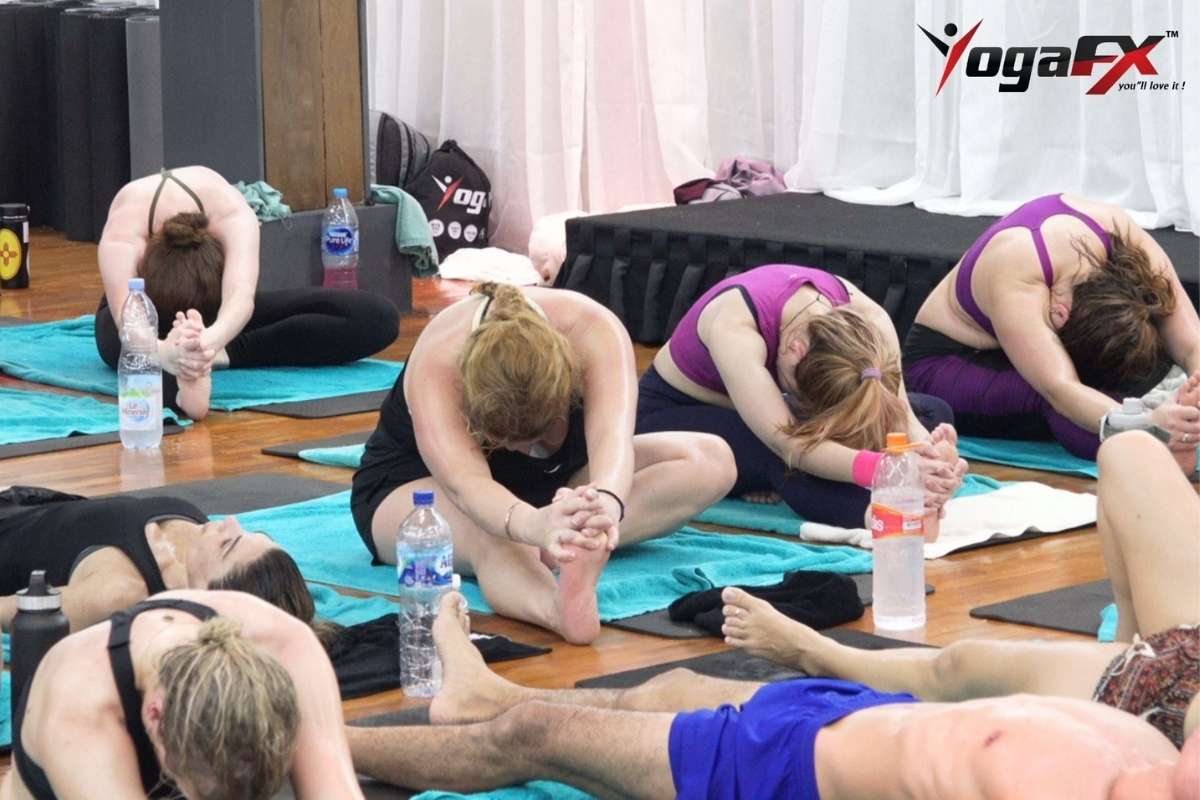
Most first-timers make the same few errors when they pick what to wear. Here are the seven we see most often, and how to avoid each one.
- Wearing cotton. It absorbs sweat, gets heavy, and clings. Choose quick-dry synthetic fabric instead.
- Choosing a loose top. It rides up in forward bends and covers your alignment. Pick a snug tank or sports bra.
- Overdressing out of modesty. More fabric means more heat, more chafing, and a harder class. A well-fitted outfit often stays put better than loose layers.
- Skipping the test wash. New synthetic kit may wick poorly at first, so wash it before your first class.
- Wearing jewellery, a watch, or heavy lotion. They get uncomfortable in the heat, and residue can make your grip slippery.
- Packing only one set. Kit that’s still damp from yesterday is no fun at 06:00, so bring two or three.
- Taking a phone onto your mat. Heat and sweat are hard on electronics, and you’ll want both hands free.
Fix these seven and you’ve solved most of the problems that make a first class harder than it needs to be. If you’re new to the room, our Bikram yoga for beginners survival guide covers the rest of the first-class experience.
Packing for a Bali Trip: How Many Sets You Need
If you’re visiting for a week or two, think in terms of rotation. Same-day drying is unreliable in humid weather without direct sun or a dryer. Deciding what to wear on a trip also means deciding how many sets to pack, so plan around how often you’ll practise.
- Two sets cover a few classes across a week if you do laundry.
- Three sets suit daily practice or a two-week stay.
- One mesh bag keeps wet kit from smelling in your tote.
- Quick-dry fabric doubles as beach and general travel wear, so it earns its space.
Many guesthouses and villas in Seminyak and Canggu offer a laundry service. Ask when you check in, and build it into your plan instead of over-packing.
Would you rather buy than pack? Our guide to yoga clothing and gear shopping in Bali covers where to go and what’s worth spending on once you’re here.
What to Wear and Skip: Hair, Makeup and Feet
Hair and accessories
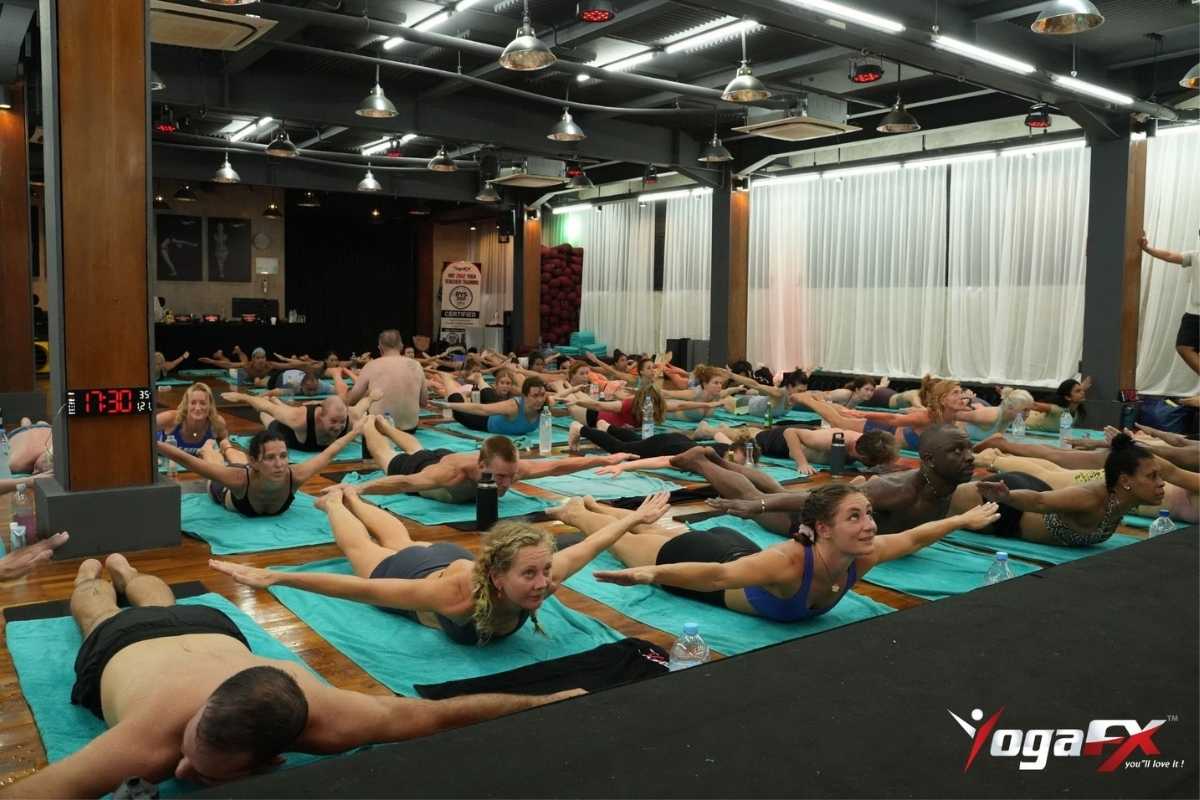
Keep your hair off your face and neck from the first posture. A secure tie or a headband works well. Leave rings, bracelets, and watches in your bag, because they get hot and can snag.
Makeup, sunscreen, and lotion
Arrive with a clean face and skin. Makeup, lotion, and sunscreen residue mix with sweat, which can feel uncomfortable and make your grip less secure. If you’ve been at the beach, rinse off first.
What to wear on your feet
Nothing. Hot yoga is practised barefoot, so your feet can grip the mat in standing postures. Socks get slippery once wet. If you have a foot condition, ask your teacher or a healthcare professional what suits you.
What to Wear for Your First Hot Yoga Class
Nerves make people overthink what to wear to a first class. You don’t need a new wardrobe. Start with what you already own, as long as it’s stretchy, light, and not cotton.
- Check the fabric label. Polyester, nylon, or elastane is a good sign.
- Do a squat test. Squat and fold forward at home. If anything slips, rides up, or feels see-through, swap it.
- Wear it once first. A short home workout shows where it chafes.
- Pick comfort over style. Nobody in the room is judging what you wear.
Spend your money where it counts. A supportive sports bra and a good towel make a bigger difference than a pricey top. If you decide hot yoga is for you, upgrade the rest later.
What to wear if you want more coverage
Some people want more coverage, and that’s fine. Here is what to wear in that case. The trick is to cover up without adding bulk. Capri leggings with a fitted, longer tank give you coverage and still let sweat leave your skin.
Avoid layering a loose shirt over your top. It traps heat and gets soaked within the first few postures. A snug cut in light synthetic fabric covers you better than a baggy layer that rides up when you bend.
What to wear if your body changes shape in the heat
Everyone sweats, and bodies come in all sizes. What to wear matters most for comfort, so choose stretch fabric with flat seams. Look for a wide, soft waistband and a bra that fits well. Shorts with a snug inner leg also help prevent chafing.
If you’re unsure, bring two outfits and change into the better one. Your first class is a chance to learn what suits you.
What to Wear After Hot Yoga
What to wear after class matters too. You’ll leave the room soaked, and the air outside is warm and damp. So bring dry, light clothes to change into.
- Loose cotton is fine now. Once you stop sweating, a soft cotton tee or sarong feels great.
- Dry underwear and a dry top. Staying in wet kit can leave you chilly in an air-conditioned café.
- Sandals you can slip on. You’ll want easy shoes after standing barefoot for 90 minutes.
- A second towel. Wipe down before you change, then rehydrate with water.
Rinse your kit soon after class, and hang it somewhere with airflow. A wet bag left closed in a scooter box is the fastest way to a smelly outfit.
Do You Need Special Hot Yoga Clothes?
Not really. Special brands can be nice, but they aren’t required. What matters when you choose what to wear is the fabric and the fit. A basic synthetic top and shorts from a sports shop do the same job as a premium set.
That said, a few items are worth buying well. A supportive bra, a large absorbent towel, and a grippy mat towel will last for years. In Bali you can find all three in Seminyak and Canggu, and our shopping guide lists where to look.
Before you buy, think about how often you’ll practise. For one or two classes, borrow what you can. For regular practice, what to wear becomes an investment, so buy fewer, better pieces and wash them well.
Heat Safety: Dress Smart, Then Listen to Your Body
The right kit helps, but it doesn’t remove the heat. The systematic review describes a survey of 157 hot yoga participants. In it, 60% reported dizziness, 61% light-headedness, 35% nausea, and 34% dehydration. The authors also note that case reports describe ill-health after hot yoga.
The NHS lists dizziness, headache, nausea, and cramps among the signs of heat exhaustion. So pay attention to how you feel, whatever you choose to wear.
- Before class: drink water through the day and eat lightly.
- During class: sit down if you feel dizzy, and tell your teacher.
- After class: rehydrate and change into dry clothes.
This guide is general information, not medical advice. Please consult a healthcare professional before you start hot yoga, especially if you have a heart condition, are pregnant, or take medication. Our guide on whether hot yoga is safe covers who should take extra care.
What to Wear at YogaFX Bali in Seminyak and Canggu
Mr. Ian Terry, E-RYT 500, founded YogaFX and has taught more than 12,000 hours. YogaFX has trained teachers in Bali since 2017. The advice in this guide reflects what works in the room, not what looks good on a rack.
Our studios in Seminyak and Canggu are open every day from 06:00 to 22:00. Each class runs 90 minutes and covers 26 postures and 2 breathing exercises. The heat comes from Bali’s natural tropical climate, not electric heaters. Your teacher guides the class with a scripted dialogue, with no demonstration and no music.
So when you ask what to wear, think about the whole 90 minutes. You’ll move through standing and floor postures, and your kit has to move with you. Fitted, light, and quick-dry will serve you well.
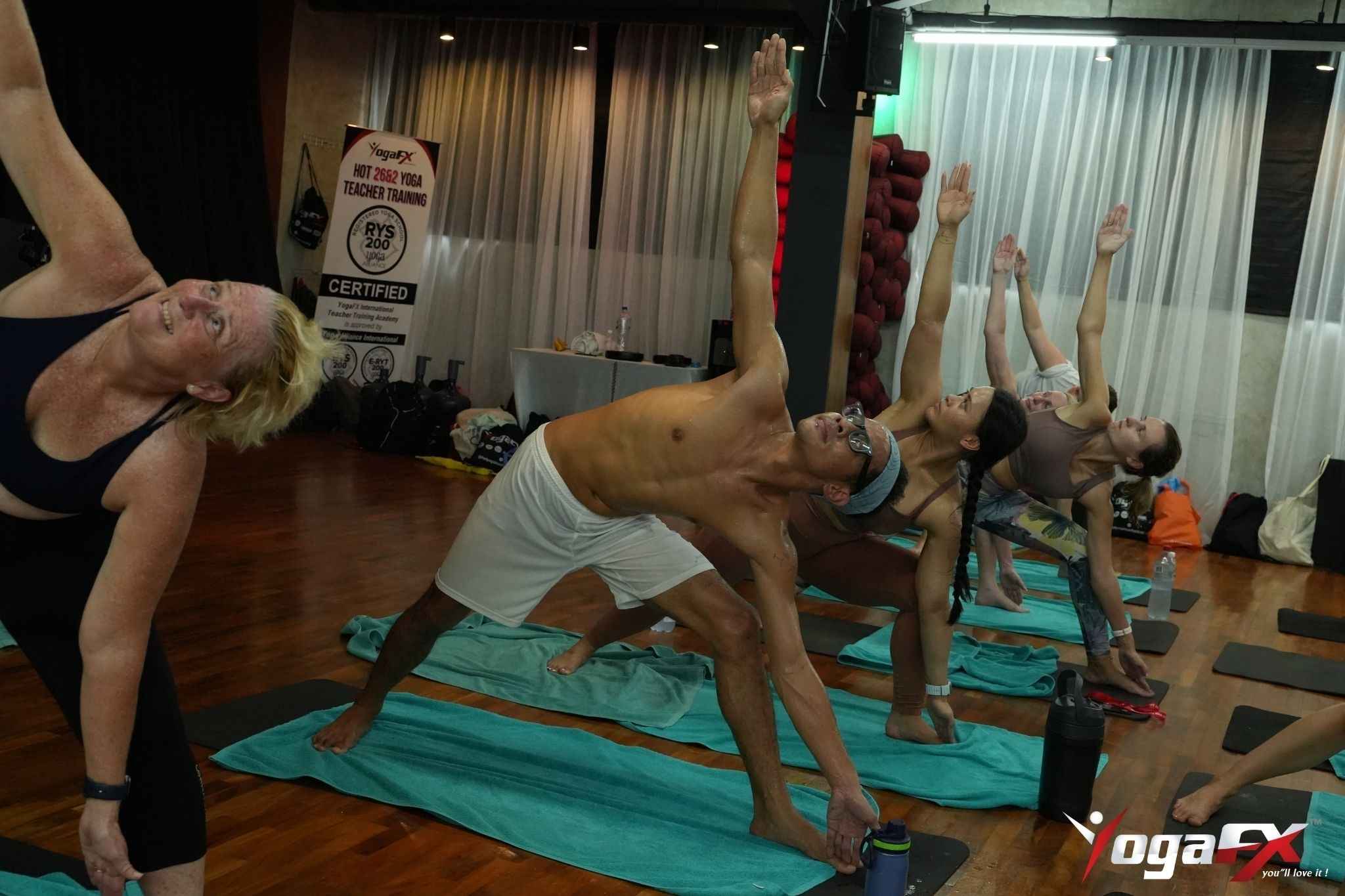
If you’d like to see the people behind the studio, the video below introduces the YogaFX teacher training led by Mr. Ian.
Ready to test your kit in the real room? Try a free 1-day guest pass at our Seminyak or Canggu studio and find out what holds up over 90 minutes. The link is just below the FAQ.
FAQ: What to Wear to Hot Yoga in Bali
What should I wear to hot yoga in Bali?
Wear fitted, moisture-wicking shorts or capri leggings with a supportive sports bra or a snug tank. Skip cotton and loose tops. Bali’s humidity slows drying, so choose quick-dry synthetic fabric and bring a spare set. Practise barefoot, and bring a large towel and a litre of water.
Can I wear leggings to hot yoga?
Yes, but choose thin, moisture-wicking leggings, not thick cotton or fleece-lined pairs. Full-length leggings trap more heat, so many students prefer capri leggings or shorts in Bali’s natural 40°C heat. Whichever you pick, make sure the fabric stretches and stays put in forward bends.
What do men wear to hot yoga?
Most men wear fitted, quick-dry shorts, either alone or with a snug synthetic tank. Avoid baggy cotton shorts and board shorts, because they slide around in forward bends. Pick a waistband that stays put, and bring a spare pair if you plan to practise on back-to-back days.
Should I wear socks or shoes to hot yoga?
No. Hot yoga is practised barefoot, so your feet can grip the mat during standing postures. Socks turn slippery once they get wet, and shoes don’t belong on the mat. Bare feet also keep the room cleaner. Keep a small towel nearby for wiping your hands and feet, and wear easy sandals to and from the studio.
What should I bring to hot yoga besides clothes?
Bring a large sweat towel, a mat towel, a water bottle of at least one litre, a spare hair tie, and dry clothes for afterward. A mesh bag helps with wet kit. Not sure what to wear or pack? Message us on WhatsApp and we will help.
Still have questions? Message Mr. Ian and the YogaFX team on WhatsApp and we will answer them personally. Or claim your Free Guest Pass and try a class at our Seminyak or Canggu studio.