
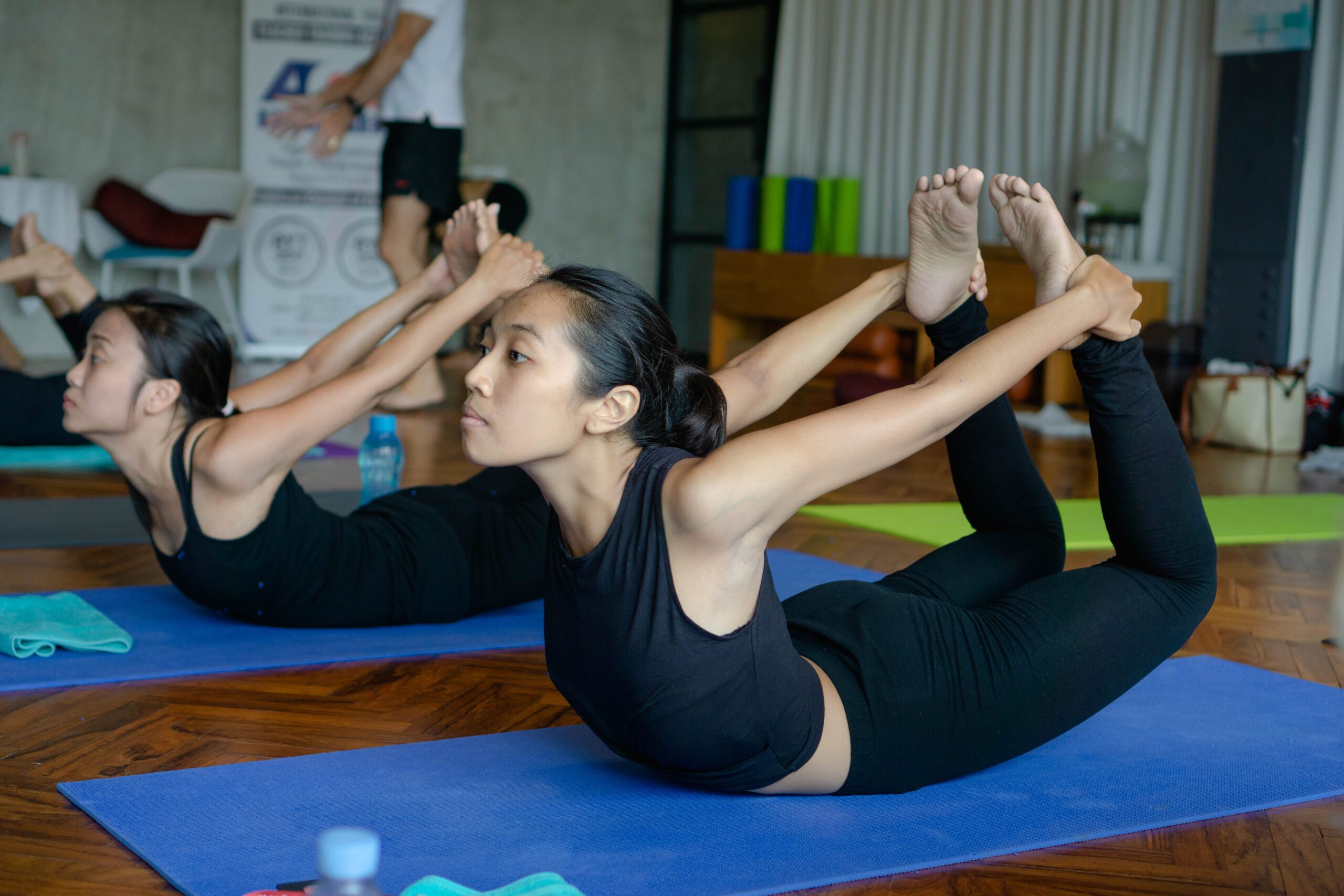
Most Bali yoga practitioners settle into a morning practice almost by default — the island’s culture tends toward early starts, and the soft light and quiet of a Bali morning makes the 7am class feel natural. But the question of optimal timing for hot yoga is worth examining beyond personal preference.
This guide covers the physiological case for morning versus evening hot yoga, practical Bali-specific considerations, and what timing works best for different goals. The short answer: both work, but for different reasons.
Both morning and evening Bikram yoga classes at YogaFX Bali deliver the full physiological benefits of the 26&2 sequence in natural heat. Morning practice is optimal for metabolism activation and daily routine consistency. Evening practice is optimal for flexibility access, post-work stress relief, and sleep quality. The best time is the one you will practice consistently.
The Physiology of Timing in Hot Yoga
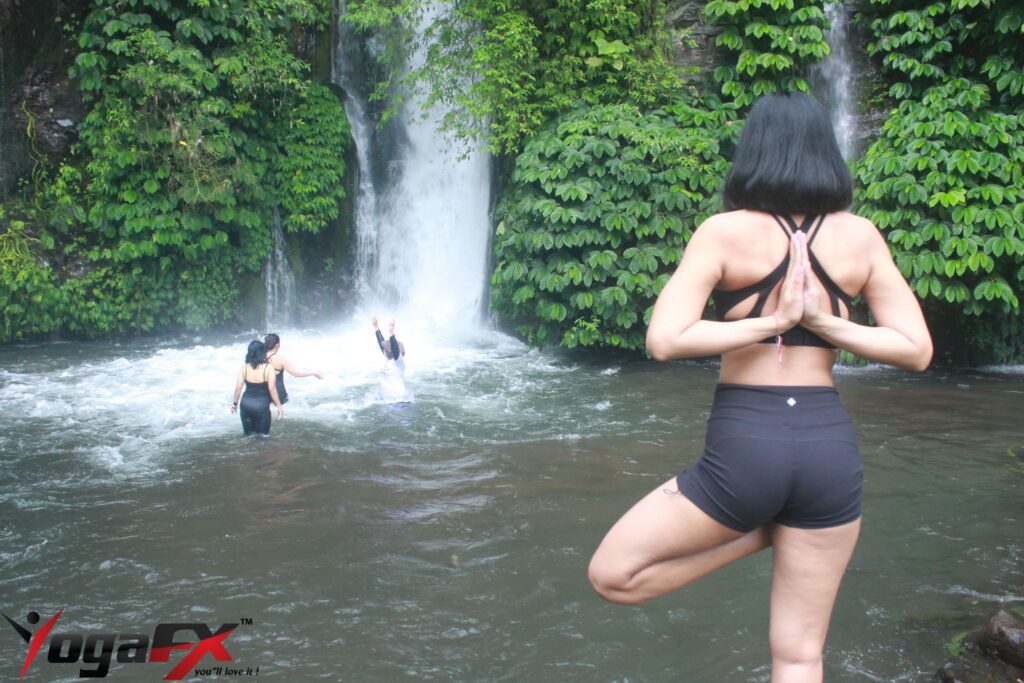
Morning Practice: Cortisol and Metabolism Alignment
Cortisol follows a natural circadian rhythm, peaking in the early morning hours (approximately 6–8am). Morning exercise aligns with this cortisol peak, using its energy-mobilising effects to fuel the practice. Morning hot yoga also activates the metabolism early in the day — calorie burn from a 90-minute Bikram session (330–600 kcal per the University of Wisconsin 2014 study) combined with post-exercise metabolic elevation means morning practitioners are burning at an elevated rate for hours into their day.
The practical limitation: body core temperature is lower in the morning, and connective tissue is less warm and extensible. Flexibility-intensive postures may feel more restricted in early morning than evening. Natural Bali heat at YogaFX mitigates this somewhat by warming tissue from outside.
Evening Practice: Natural Flexibility Peak and Stress Relief
The body’s core temperature reaches its natural daily peak in the late afternoon and early evening — typically between 4pm and 8pm. This corresponds with the body’s optimal flexibility window. Evening practice also transitions the nervous system from sympathetic (work, stress) to parasympathetic (recovery) mode. A 90-minute Bikram class in natural heat at day’s end produces significant cortisol reduction. The post-class temperature drop mirrors the natural pre-sleep temperature decline, which can improve sleep onset and depth.
| Factor | Morning Practice | Evening Practice |
|---|---|---|
| Cortisol alignment | High — matches natural peak | Low — cortisol declining |
| Flexibility access | Lower — connective tissue cooler | Higher — natural body temp peak |
| Calorie burn | Same 330–600 kcal | Same 330–600 kcal |
| Metabolic activation | All-day elevated metabolism | Evening elevated — overnight benefit |
| Stress relief | Sets calm tone for day | Transitions work to recovery |
| Sleep quality | Indirect routine benefit | Direct — post-heat temperature drop |
| Crowd level | Typically busier | Often lighter attendance |
Bali-Specific Considerations

Bali’s Heat Is Consistent Throughout the Day
At YogaFX Bali, this variable does not exist. Bali’s natural tropical heat is consistent throughout the day — a 7am class and a 6pm class occur in essentially the same ambient temperature at both Seminyak and Canggu studios. The heat advantage of afternoon practice in standard electric-heated studios does not apply at YogaFX.
Bali’s Morning Culture
Bali has a strong morning culture — markets, temples, cafes, and the beach all tend toward early activity. Mornings in Canggu and Seminyak are cooler, quieter, and less traffic-congested. A morning yoga session followed by breakfast at a nearby cafe represents the archetypal Bali wellness morning — one most practitioners find easier to sustain across a week than an evening routine that competes with social commitments.
For Expats and Longer Stays: Consistency Matters Most
Research is clear: consistency matters more than timing. The Tracy and Hart (2013) study found significant physiological improvements after 8 weeks of practice at 3–4 sessions per week — irrespective of timing. The best time is the one that fits your schedule so reliably that you actually show up.
Which Goals Favour Which Time
| Goal | Best Timing | Why |
|---|---|---|
| Maximum calorie burn | Morning | Elevated metabolism all day |
| Maximum flexibility | Evening | Natural body temperature peak |
| Stress relief | Evening | Parasympathetic activation |
| Sleep quality | Evening (not too late) | Post-heat temperature drop |
| Mental focus | Morning | Clarity that follows a session |
| Consistent routine | Morning | Fewer schedule conflicts |
📋 YogaFX Bali — Class Schedule Notes
- Morning and evening class slots available daily at Seminyak and Canggu
- Natural Bali heat is consistent across all time slots
- 60-minute format: suitable for both morning and evening schedules
- 90-minute format: recommended for morning practitioners with time available
- Contact: WhatsApp to confirm current schedule
FAQ
Is morning or evening better for hot yoga in Bali?
Both are effective. Morning optimises for metabolism and all-day calorie burning. Evening optimises for flexibility, stress relief, and sleep quality. The benefits of the 26&2 sequence in natural heat are available at both times. The best choice is the one you will practice consistently.
Should I eat before morning hot yoga?
No. Do not eat in the two hours before class. For morning practice, this means either practicing on an empty stomach or eating a very light snack more than two hours beforehand. Post-class breakfast is one of the most enjoyable aspects of a morning Bali yoga practice.
Does evening hot yoga affect sleep?
Positively for most practitioners. The post-class temperature drop — the body cooling from 40°C — mimics the natural core temperature decline the body uses to initiate sleep. Caveat: avoid finishing class less than 90 minutes before intended sleep, as the immediate post-class elevated heart rate may delay sleep onset.
How early should I arrive for a morning class?
At least 15 minutes before start time. For morning classes specifically, this acclimatisation time is particularly important because the body’s core temperature is lower and needs additional time to adjust to the 40°C room before the standing series begins.