“Hot yoga teacher training near me” usually returns a mix of two very different things: local studios running short, in-house certification weekends for heated vinyasa, and destination programs, often in Bali, Thailand or parts of Europe, that are genuinely worth flying to. Which one is right for you depends on which style of hot yoga you actually want to teach, and how much you’re willing to compromise on instructor lineage for the sake of convenience.
Why Local Results Vary So Much by Style
Hot vinyasa flow certifications are genuinely more common locally than 26&2 certifications, because hot vinyasa is closer to a standard Yoga Alliance 200-hour training with a heat module added, and most established studios in major cities already have an instructor qualified to run that kind of program. If you specifically want to teach heated flow classes, a local search is more likely to surface a legitimate option than it would for the classic 26&2 sequence.
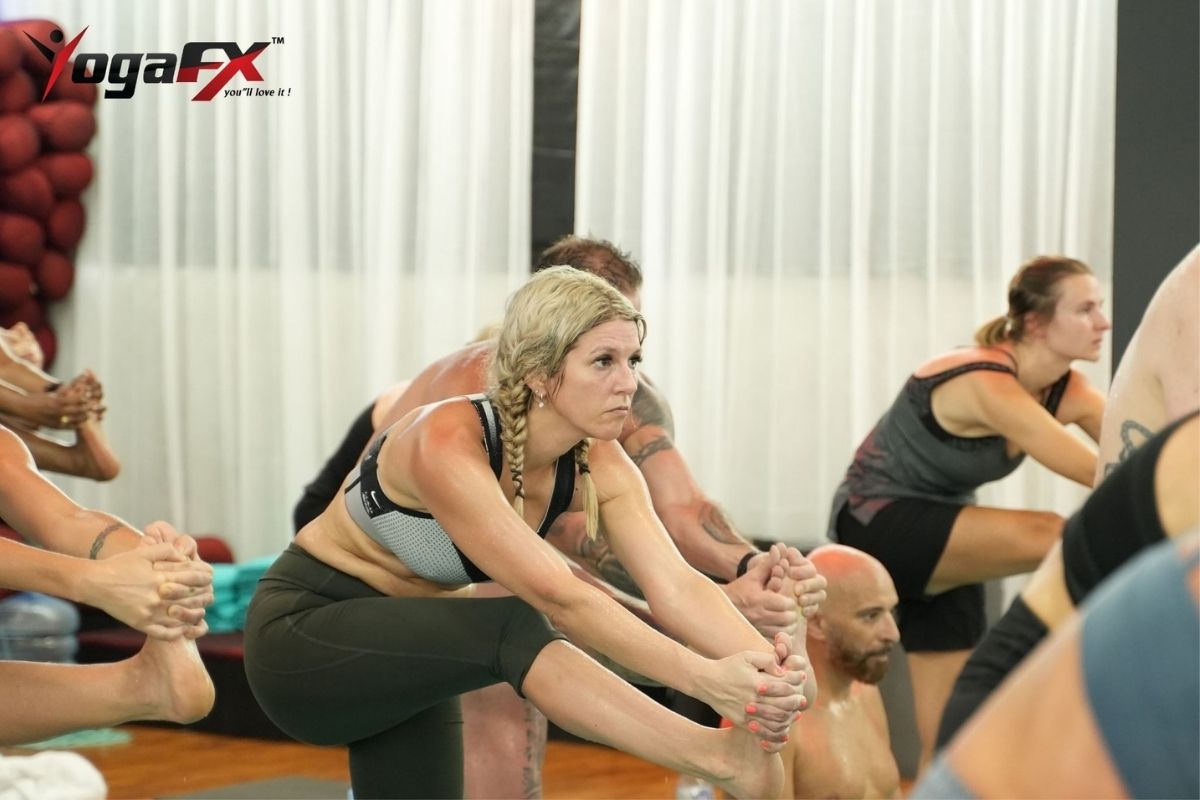
The classic 26&2 sequence is a different story. It requires an instructor who has mastered a long, precise scripted dialogue and can correct posture-by-posture against a fixed standard, a specialised skill set that concentrates in a small number of instructors worldwide rather than spreading evenly across every city with a yoga studio. Searching “hot yoga teacher training near me” while specifically wanting 26&2 certification is where most people run into the gap between what’s local and what’s actually good.
What Local Options Typically Offer
Local studio-run certifications tend to fall into a fairly predictable pattern: a weekend or several-evening format, taught by the studio’s own senior instructor, often bundled with Yoga Alliance registration but rarely with an independent style-specific accreditation seal. This can be a reasonable, low-cost way to add a heat-specific credential to an existing 200-hour certification, particularly for hot vinyasa. It is a weaker fit for anyone specifically chasing 26&2 lineage training, where the depth of correction and dialogue coaching a single local weekend can offer is limited.
Before booking any local option, confirm three things: whether the certification carries Yoga Alliance registration specifically, how many total hours of direct instructor correction are actually included once group demonstration time is subtracted, and whether the lead instructor has documented training in the specific style, heated vinyasa or 26&2, that the certification claims to cover.
When Travelling Beats “Near Me”
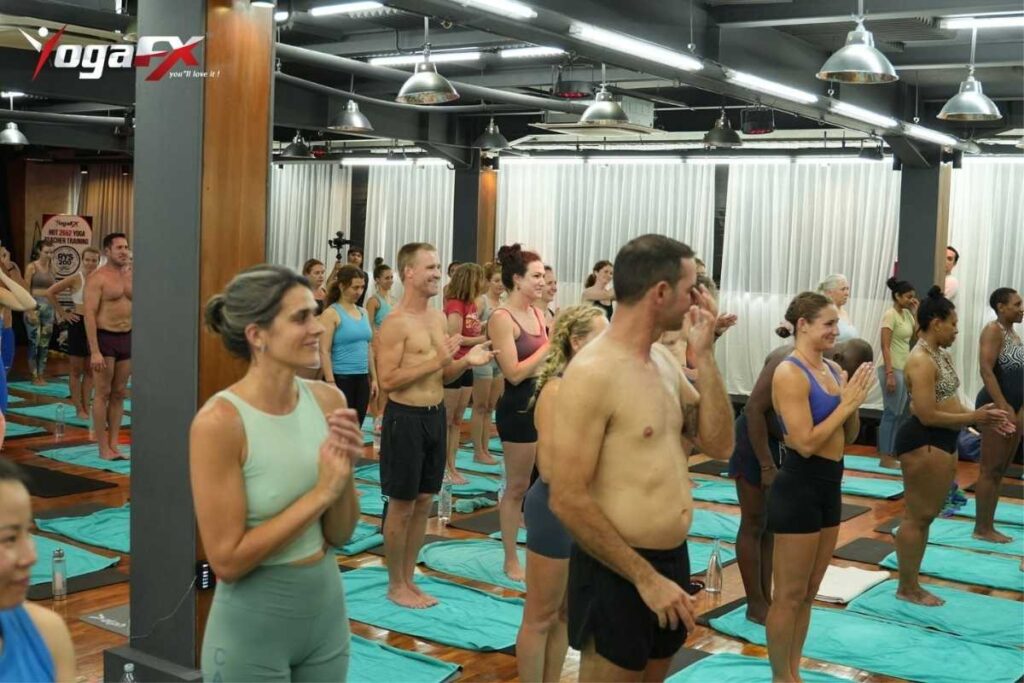
For 26&2-specific training, travelling to an established destination hub typically outperforms whatever exists within driving distance. Bali, Thailand and a handful of European training centres have become default destinations precisely because instructors with the relevant lineage and consistent training volume concentrate there rather than distributing evenly across every market.
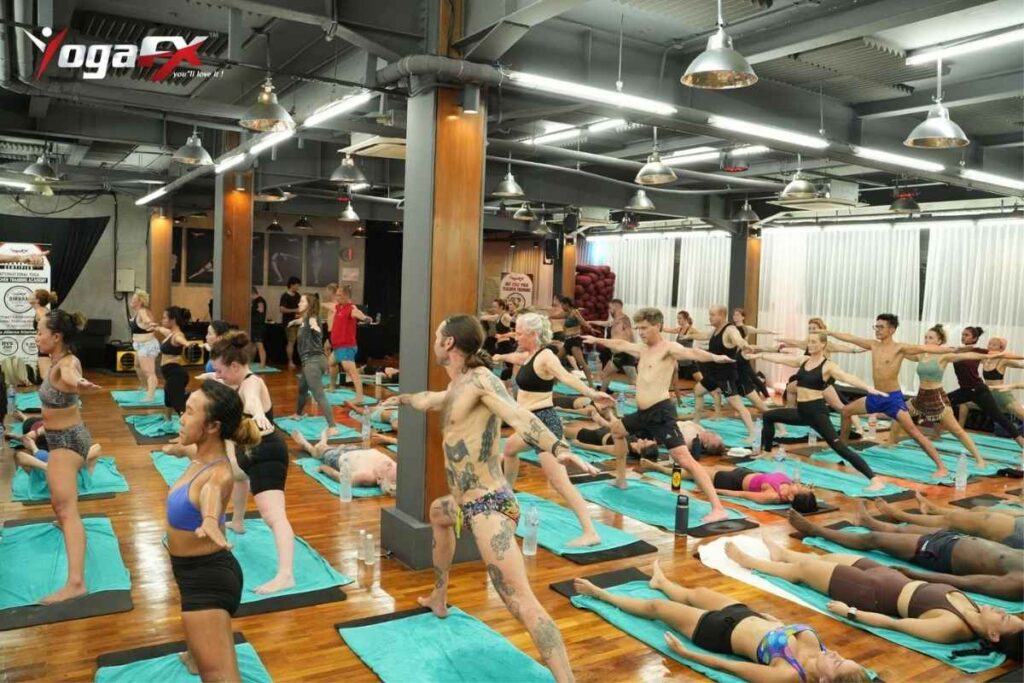
YogaFX in Bali runs a hybrid program from studios in Seminyak and Canggu, both open 06:00 to 22:00 daily, led by Mr. Ian Terry, who holds E-RYT 500 certification and trained directly under Bikram Choudhury across five events between 2012 and 2019.
Candidates complete 30-plus hours of online coursework before arriving, then spend a 6-day in-person intensive on posture correction, dialogue delivery and live teaching in Bali’s natural tropical heat rather than an electrically heated room. This structure exists specifically because a proper 26&2 certification needs concentrated instructor time that a scattered local search rarely produces. For candidates who genuinely cannot travel at all, our online hot yoga teacher training guide covers what a fully remote or hybrid online program can realistically deliver instead.
For candidates open to either style, the practical filter is this: if a legitimate local option exists with verified instructor credentials and Yoga Alliance registration, it can be a perfectly reasonable choice, particularly for heated vinyasa. If the local search keeps surfacing thin, unverified options, or if you specifically want 26&2, it is usually worth widening the search to an established destination program rather than settling for whatever happens to be closest.
You can see the Bali training environment directly with a Free Guest Pass at either YogaFX location before committing to the full certification. For a broader breakdown of formats and accreditation across the hot yoga training market generally, see the hot yoga teacher training formats guide.
A Practical Search Strategy
Rather than relying on a generic “near me” search, which mostly surfaces drop-in class listings rather than genuine certification programs, a more effective approach is searching by style and accreditation directly: “26 and 2 teacher training Yoga Alliance,” “26 and 2 accredited teacher training,” or “hot vinyasa 200 hour certification” in your target city. These queries surface programs that have actually invested in accreditation, rather than every studio that happens to run occasional workshops.
It is also worth checking whether nearby cities, not just your own, have a legitimate option within a few hours’ drive or a short flight. Candidates who expand their search radius by even a few hundred kilometres often find a meaningfully stronger program than what exists directly in their own city, without the cost and time commitment of an international destination trip.
What Candidates Actually Find Across Major Cities
The pattern repeats across most major cities searching this term. Los Angeles, New York, London, Sydney and similar hubs typically have a healthy number of studios running regular heated vinyasa classes, and several of those studios will run their own 200-hour or add-on hot yoga certification at least once or twice a year. What’s rarer is a program with genuine 26&2 lineage instruction running on a predictable, frequent schedule, since that specific expertise is harder to build and maintain than general vinyasa teaching skill.
This means the “near me” experience genuinely differs by which style you’re after. A candidate searching for heated vinyasa training in a major city will often find several legitimate options within a reasonable drive. A candidate searching specifically for 26&2 training in the same city may find nothing current, or a single studio-run weekend with limited instructor lineage, which is the exact situation that pushes serious 26&2 candidates toward destination programs regardless of where they live.
Weighing Convenience Against Training Depth
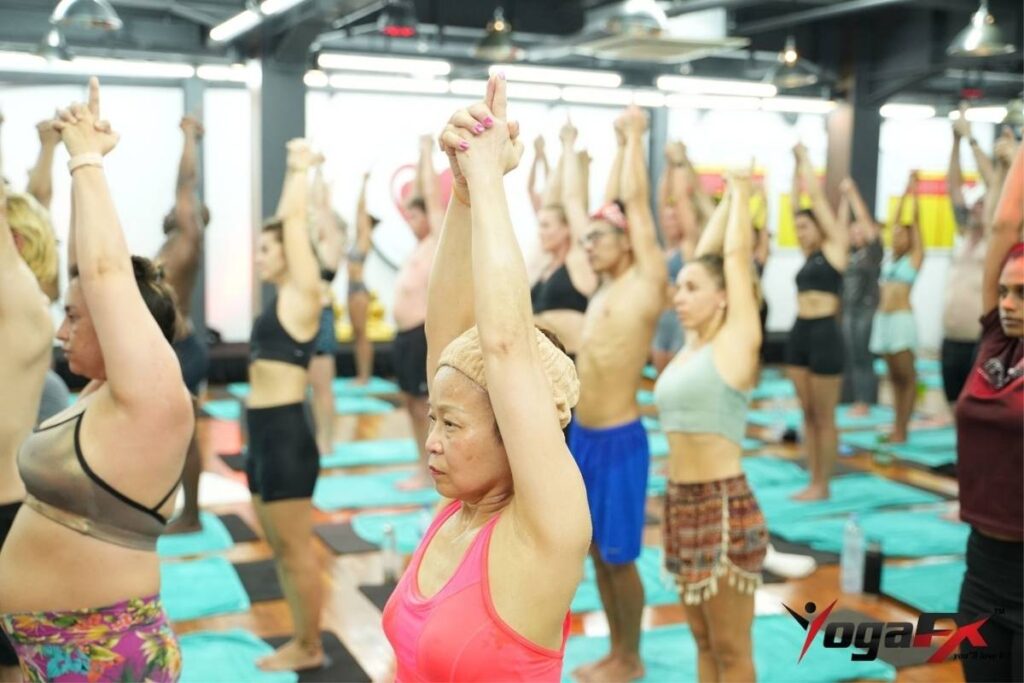
The core trade-off behind every “near me” search is convenience versus depth. A local program saves travel time and cost, and for hot vinyasa, that convenience rarely comes at a meaningful quality cost given how many well-qualified local instructors exist. For 26&2 specifically, the convenience of staying local more often comes at the cost of instructor lineage, cohort attention and total correction hours, since the pool of genuinely qualified local instructors is much smaller.
A useful gut check: if you would be comfortable recommending your local instructor’s own teaching to a friend based on watching them lead a class, their teacher training is probably worth considering too. If you have never actually seen them teach and are relying entirely on their marketing materials, that is worth investigating further before committing, regardless of how convenient the location is.
Red Flags to Watch For in Local Listings
A handful of warning signs show up repeatedly in weak local programs, regardless of style. No named lead instructor, or a program that markets itself around a founder who is not actually the one teaching the certification, is one of the most common. Vague credential language, terms like “certified” or “accredited” without specifying by which body, is another, since a legitimate program will name Yoga Alliance or an equivalent recognised accreditation body directly rather than using the word loosely.
Cohort sizes that are never disclosed upfront are worth asking about directly, since a program unwilling to share expected class size before you enrol is often trying to avoid the conversation about how much individual attention you will actually receive. Finally, a complete absence of any post-certification support, no mentoring, no continuing education path, no alumni network, suggests the program is optimised for one-time revenue rather than producing teachers who go on to build real careers.
None of these red flags automatically disqualify a program on their own, but two or more appearing together in the same local listing is a reasonable signal to keep looking, whether that means checking a nearby city or widening the search to an established destination program.
Making the Final Call
Once you’ve weighed style, local availability and the red flags above, the decision usually comes down to a straightforward comparison: the total cost and time of your best local option against the total cost and time of a proven destination program. For heated vinyasa, local almost always wins that comparison since quality options genuinely exist in most markets. For 26&2, the calculation shifts once you factor in what a thin local program is actually likely to deliver versus a properly resourced destination intensive with verified lineage.
It’s also worth remembering that this decision is not permanent. Many teachers start with a local heated vinyasa certification to begin teaching sooner, then pursue a specialised 26&2 certification later once they’ve confirmed that style is where they want to focus their career. Treating your first certification as a starting point rather than a final destination removes some of the pressure from the “near me” search, since it does not need to be the only training you ever complete.
Whichever path you take, the questions in this guide, instructor lineage, cohort size, accreditation body, and post-certification support, apply equally whether the program is five minutes from your home or a flight away. Distance is a logistics question. These four factors are the actual quality question, and they deserve more weight in the decision than proximity alone.
Candidates who anchor their decision on these four factors rather than on drive time consistently report more satisfaction with their training a year later, regardless of which style or format they ultimately chose.
FAQ
Is it easier to find local training for hot vinyasa than for 26&2?
Yes. Hot vinyasa certifications are more common locally since they build on standard 200-hour Yoga Alliance training with heat modules added. The classic 26&2 sequence requires specialised dialogue and lineage training that concentrates in fewer, often destination-based, programs worldwide.
What should I check before enrolling in a local hot yoga teacher training?
Confirm Yoga Alliance registration, ask how many hours of direct instructor correction are actually included, and verify the lead instructor’s documented training in the specific style, heated vinyasa or 26&2, the program claims to teach.
Why do so many candidates travel to Bali instead of training locally?
Bali combines instructors with documented Bikram lineage, natural tropical heat that mirrors real teaching conditions, and strong international flight access, a combination that most local markets cannot match for 26&2-specific certification.
Should I widen my search beyond my own city before travelling internationally?
Yes, it’s often worth checking nearby cities within a few hours’ drive or a short flight first. This sometimes surfaces a legitimate program without the cost and time of an international destination trip.
What are the biggest red flags in a local hot yoga teacher training listing?
Vague credential language without naming a specific accreditation body, an undisclosed cohort size, and no post-certification support are the clearest warning signs. Two or more appearing together is a reasonable signal to keep looking elsewhere.