
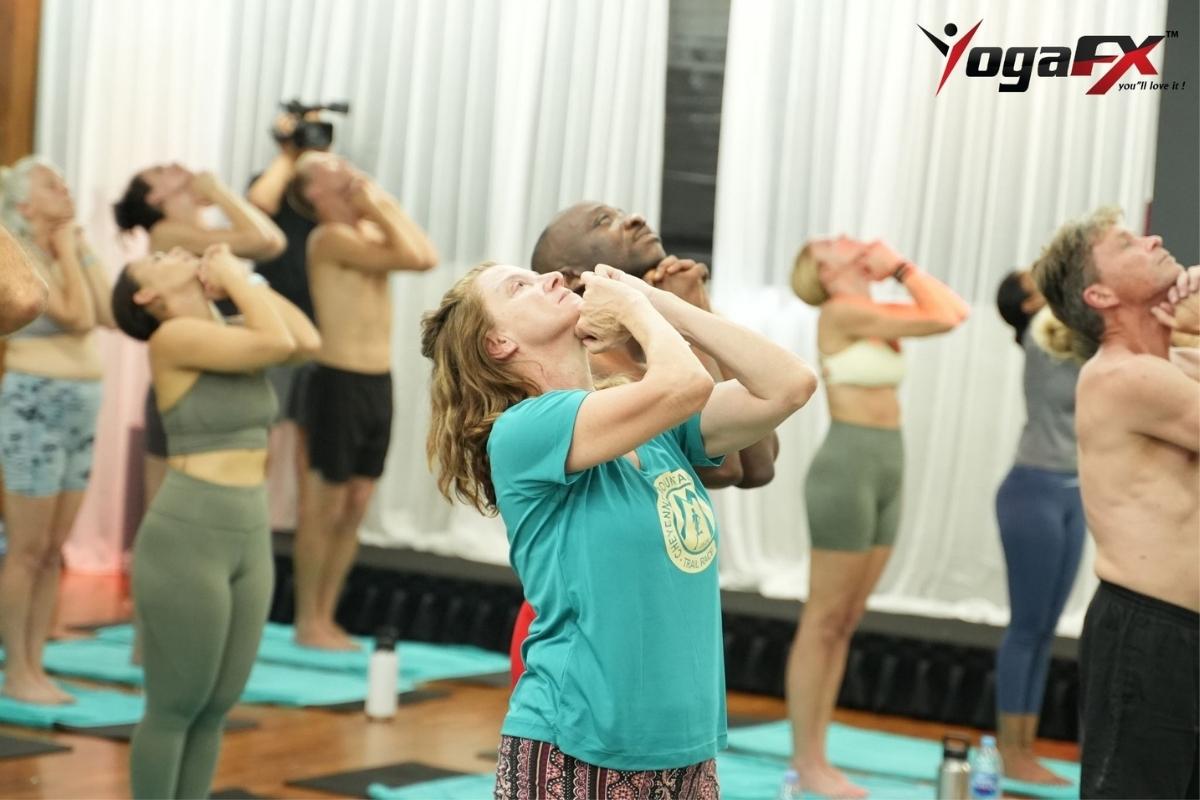
Getting the timing and content of your last meal wrong before a 90-minute class in a 40 degree Celsius room is one of the fastest ways to turn a good hot yoga session into a genuinely uncomfortable one.
This guide covers what to actually eat and drink before and after a Bikram class, how far in advance to eat it, and what tends to go wrong when practitioners get the timing off.
For hot yoga, eat a light, easily digestible meal 2 to 3 hours before class, or a small snack 30 to 60 minutes before if that is all the time you have. Avoid heavy, fatty, or high-fibre meals in the hours leading up to a 90-minute Bikram 26 and 2 session, since digestion competes directly with the body’s ability to manage heat. Hydration matters more than food timing for most first-time practitioners.
Why Timing Matters More in Hot Yoga Than Other Exercise
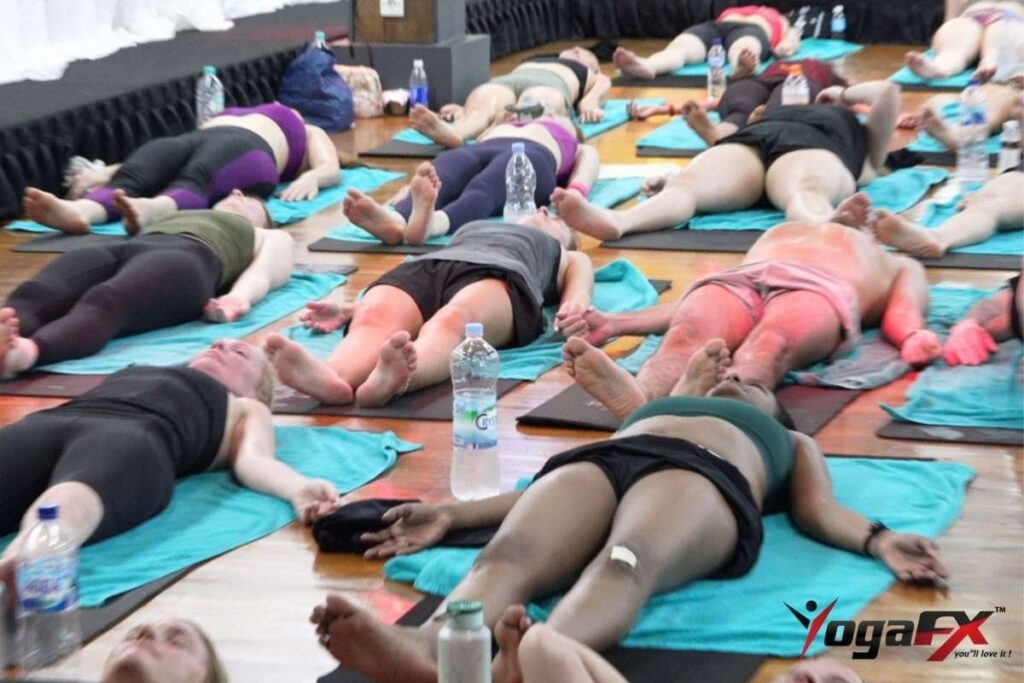
A 90-minute Bikram class asks the body to do two demanding things simultaneously: manage a full standing and floor sequence of postures, and regulate core temperature in a room heated to 40 degrees Celsius.
Digestion is itself a metabolically demanding process that redirects blood flow to the digestive system, and exercise physiology research on gastric emptying under heat stress has found that thermal strain and dehydration can measurably slow how quickly the stomach clears a meal.
Doing that at the same time the body is also working to cool itself and hold challenging postures is where most of the discomfort first-timers report, nausea, a heavy stomach, dizziness during forward folds, actually comes from. It is rarely the heat alone.
It is usually the heat combined with a stomach still working through a recent meal. Mr. Ian Terry, E-RYT 500 and founder of YogaFX, has coached thousands of first-time practitioners through exactly this adjustment period over more than a decade of teaching the method in Bali’s natural heat.
What to Eat Before a Hot Yoga Class
2 to 3 Hours Before Class
If your schedule allows it, this is the ideal window for a proper meal. Something light and easily digestible works best: a bowl of rice with grilled vegetables, a small portion of eggs and toast, or a smoothie with fruit and a modest amount of protein.
The goal is giving your body enough time to move food out of the stomach and into the small intestine before class starts, so digestion is not still actively competing with the demands of the heated room.
30 to 60 Minutes Before Class
If a full meal 2 to 3 hours out is not realistic, a small, easily digestible snack closer to class time is a reasonable substitute, though it should stay genuinely light. A banana, a small handful of dates, or a few crackers are common choices. Avoid anything large or dense in this window, since there simply is not enough time for it to clear the stomach before the heat and movement begin.
If You Have Less Than 30 Minutes
At this point, food is generally not worth the risk. Focus on hydration instead. Most practitioners find that arriving well hydrated but with an essentially empty stomach is far more comfortable than arriving with a rushed snack still sitting undigested when class begins.
What to Avoid Before Class
- Heavy or fatty meals. Fried food, rich curries, or large portions of meat take significantly longer to digest and are the most common cause of discomfort during forward folds and twisting postures.
- High-fibre foods immediately before class. Raw vegetables, beans, and whole grains are healthy generally, but eaten too close to a hot, physically demanding class they can cause bloating and cramping that a lighter meal would not.
- Carbonated drinks. The trapped gas becomes genuinely uncomfortable once you are folding forward or twisting in the standing series.
- Excess caffeine on an empty stomach. Combined with heat and an elevated heart rate from the class itself, too much caffeine beforehand can push some practitioners toward feeling lightheaded or jittery rather than energised.
- Alcohol the night before, for first-timers especially. Alcohol is dehydrating, and starting a first hot yoga class already behind on hydration makes heat adaptation noticeably harder.
Hydration Matters More Than Most People Expect
For most first-time practitioners, hydration timing matters more than food timing. A 90-minute session in 40 degree heat produces substantial fluid loss through sweat, and starting the class already dehydrated is a far more common cause of dizziness or an early exit than anything related to food.
Aim to drink water steadily through the day leading up to class rather than trying to compensate with a large amount right before, since a stomach full of water at the start of class creates its own discomfort during the standing series.
A small amount of water in the 30 minutes before class is fine, but the bulk of your hydration should happen earlier in the day. Bali’s own humidity adds to this equation, since you are often already sweating lightly before class even begins, particularly in the middle of the day.
What to Eat After Class
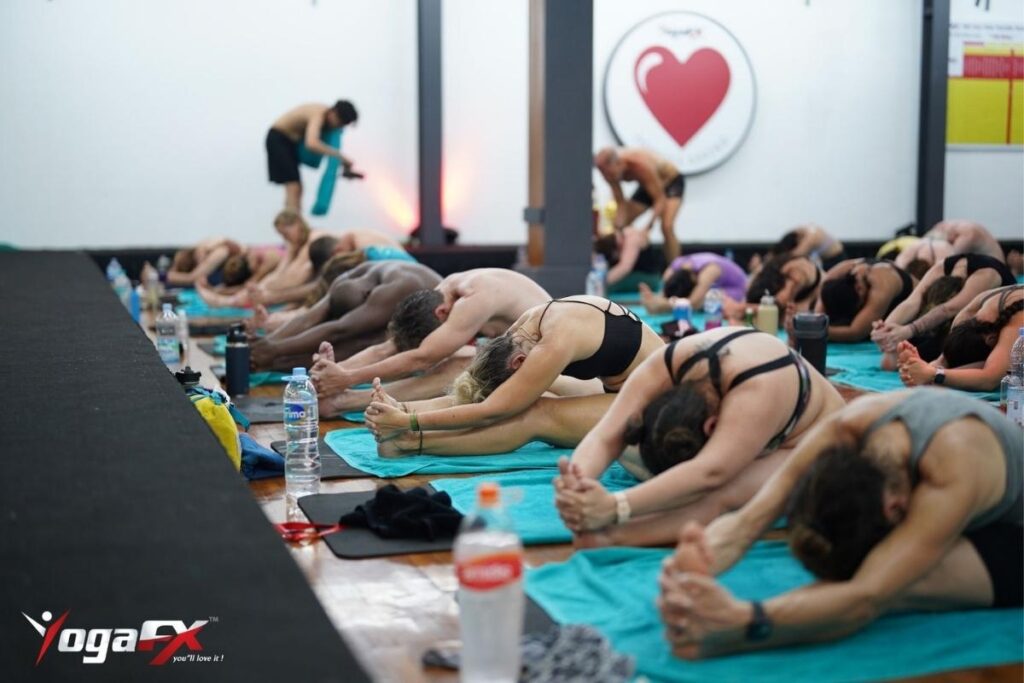
After a 90-minute session, most practitioners are genuinely hungry and noticeably depleted of fluids, so the priorities shift to rehydration first, then a balanced meal within an hour or two. Replacing electrolytes lost through sweat matters here, whether through a specifically formulated drink, coconut water, or simply food with a reasonable sodium content alongside plenty of plain water.
For the meal itself, a combination of protein and carbohydrates, something like grilled chicken or fish with rice and vegetables, or eggs with toast, supports recovery better than either a very light snack or an unusually heavy meal eaten quickly after an intense session.
Practitioners doing back-to-back days of practice, particularly during a teacher training intensive where daily practice runs for six consecutive days, should pay closer attention to post-class nutrition than someone taking a single class occasionally, since the cumulative demand on the body is considerably higher across a full week.
Good nutrition also supports the broader physical benefits of a consistent hot yoga practice, since a body that is under-fuelled recovers more slowly between sessions.
Morning Classes vs Evening Classes
The timing question looks a little different depending on when you practice. For an early morning class, most practitioners either skip food entirely and rely on the previous night’s dinner having fully digested, or eat something very small, half a banana or a few dates, if they genuinely cannot practice on a completely empty stomach.
For an evening class, the 2 to 3 hour window is usually easier to plan around, since lunch naturally falls into that gap for most schedules, making it simpler to time a proper meal well ahead of an evening session than an early one.
A Practical Checklist
- 2 to 3 hours before: a light, easily digestible meal if your schedule allows it
- 30 to 60 minutes before: a small snack only, nothing heavy
- Under 30 minutes before: skip food, focus on a small amount of water instead
- Throughout the day: steady hydration rather than a large amount right before class
- After class: rehydrate first, including electrolytes, then a balanced meal within an hour or two
Everyone’s digestion responds a little differently to heat and physical exertion, so treat these as a starting framework rather than a fixed rule, and adjust based on how your own body responds over your first few classes.
If you have any underlying digestive or medical condition, it is worth checking with a healthcare professional about how a heated, physically demanding practice fits into your specific situation before making major changes to your pre-class eating routine.
If You Get the Timing Wrong: What Happens
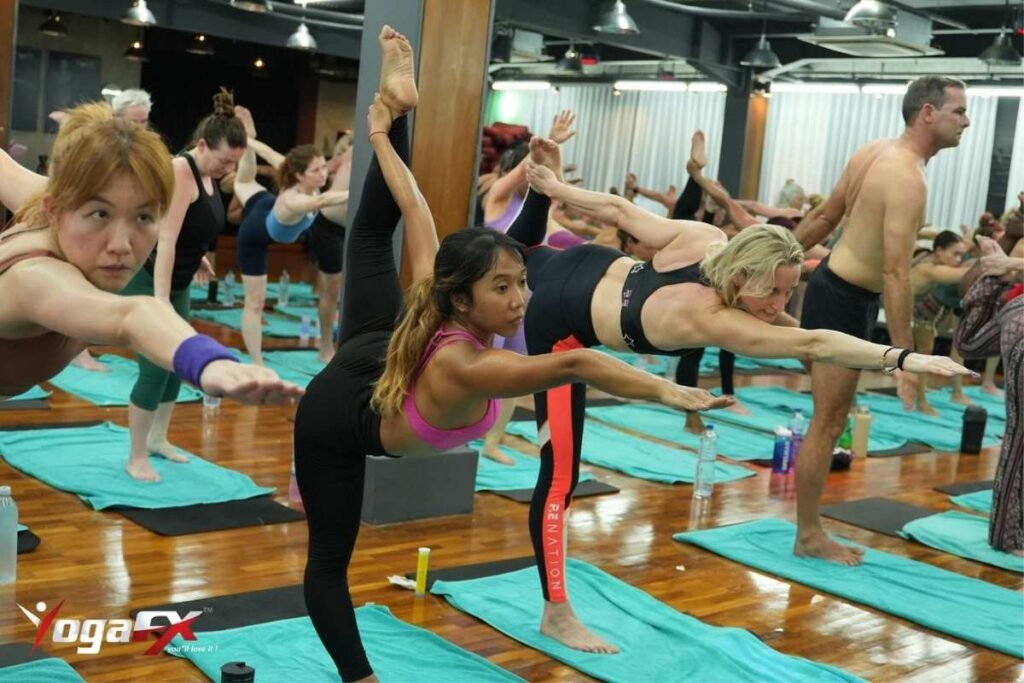
If you do end up eating too close to class, the class itself is not dangerous, just less comfortable. Forward folds and twists in particular will feel more restricted, and some practitioners experience mild nausea during the more intense parts of the standing series.
Modifying postures, taking a seated break when needed, and simply completing what feels manageable that day are all part of a normal first few classes, and the instructor team at YogaFX is used to helping first-timers adjust in the moment rather than expecting everyone to arrive with perfect timing on day one.
FAQ
What should I eat before hot yoga?
A light, easily digestible meal 2 to 3 hours before class, such as rice with vegetables or eggs and toast, or a small snack like a banana 30 to 60 minutes before if that is all the time you have. Avoid heavy, fatty, or high-fibre food immediately before class.
Can I do hot yoga on an empty stomach?
Yes, many practitioners, particularly for early morning classes, practice on a fully or mostly empty stomach and find it comfortable, as long as they are well hydrated. This is generally more comfortable than an ill-timed meal too close to class.
How much water should I drink before hot yoga?
Steady hydration throughout the day matters more than a large amount right before class. A small amount of water in the 30 minutes before class is fine, but drinking heavily right beforehand can create its own discomfort during standing postures.
What should I eat after a hot yoga class?
Rehydrate first, including electrolytes lost through sweat, then eat a balanced meal with protein and carbohydrates within an hour or two, such as grilled chicken or fish with rice and vegetables.
Free Guest Pass
Ready to put this into practice? Claim a Free 1-Day Guest Pass at the Seminyak or Canggu studio and experience the original 26 and 2 sequence in natural Bali heat, with a teaching team that can help you fine-tune your own pre-class routine after your first class.