Thinking about becoming a yoga instructor but unsure what the job actually involves day to day, or whether it can realistically support you financially? This guide covers what the role actually looks like beyond the Instagram version, how income realistically works across different paths, and what it takes to get started, drawing on the career of Mr. Ian Terry, who went from student to founder of a teacher training academy over more than a decade in the industry.
What a Yoga Instructor Actually Does
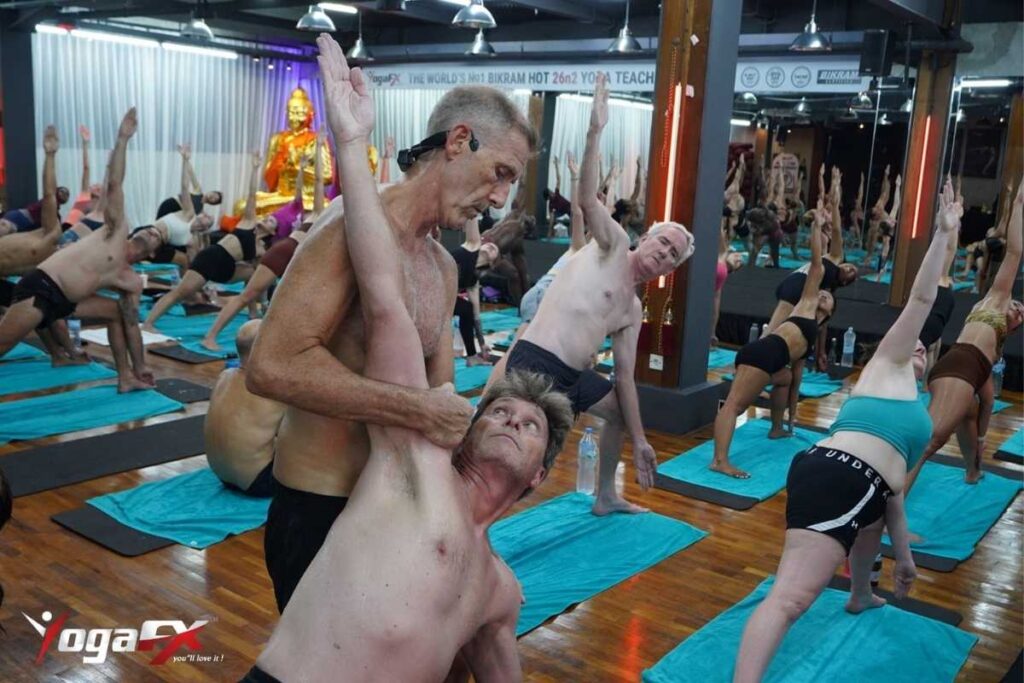
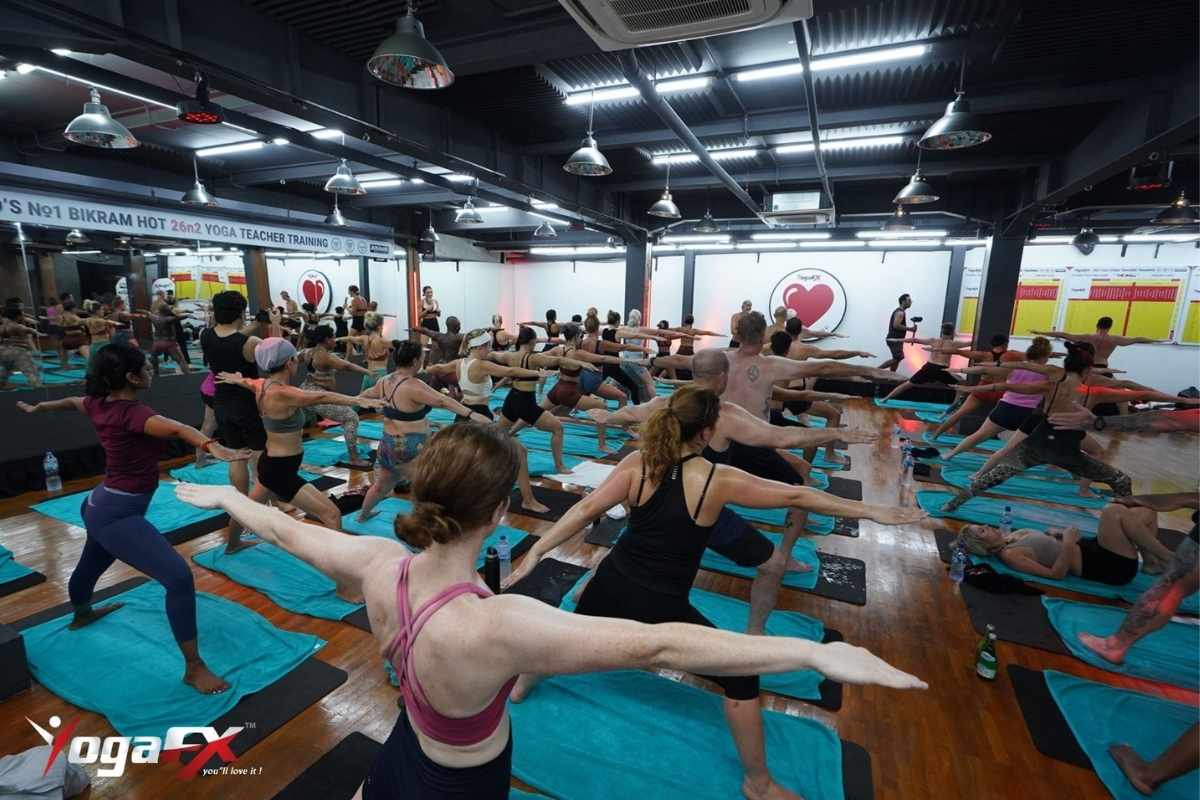
Teaching the class itself is the visible part of the job, but it is a smaller share of the actual work than most people expect going in. A working instructor also handles class preparation, ongoing practice to maintain their own skill and physical capacity, building and keeping a student base, managing bookings and cancellations, and for many, continuing education to maintain certifications or add new specialisations.
For hot yoga specifically, there is an added physical demand: teaching in a heated room for 90 minutes multiple times a day is a genuinely different physical job than teaching a room-temperature class, and instructors need their own heat conditioning to sustain a full teaching schedule.
For Bikram specifically, the dialogue adds another dimension entirely.
The 26 and 2 sequence is delivered through a fixed, scripted verbal dialogue rather than demonstration, which means an instructor is talking continuously through the full class while managing their own presence in the same heated room as their students.
Memorising and then delivering that dialogue naturally, without it sounding recited, is a skill that takes real practice separate from the physical postures themselves.
How Income Actually Works
There is no single answer to what a yoga instructor earns, because the honest answer depends heavily on employment structure, location, experience, and how much of it is a full-time commitment versus a supplementary income.
In the United States, the U.S. Bureau of Labor Statistics classifies yoga instructors under fitness trainers and instructors, a category with a wide reported pay range depending on setting, experience, and location, which reflects how fragmented income actually is across the profession rather than pointing to one dependable number.
What follows are the real factors that determine income, rather than a single misleading average.
Studio-Employed vs Freelance
Studio-employed instructors are typically paid per class taught, sometimes with a base retainer, and the studio handles marketing, bookings, and student acquisition. This is the lower-risk, lower-ceiling path: steadier income, less administrative work, but a cap on earnings tied to how many classes the studio schedules you for.
Freelance instructors negotiate their own rates, build their own client base, and take on all the marketing and admin themselves, which means higher potential per-class rates but genuinely unpredictable income, especially in the first year or two while building a reputation.
Location
Rates vary enormously by market. Major Western cities with high studio membership prices generally pay instructors more per class than markets with lower overall cost of living, but the cost of living difference often narrows the practical gap more than the headline numbers suggest.
Teaching in a location like Bali, where many instructors combine teaching income with a lower cost of living and a lifestyle built around travel, works on a different calculation entirely than trying to build a full-time income purely from teaching rates in an expensive home city.
Specialisation
Generalist instructors compete in a much larger, more saturated pool than specialists.
A teacher certified in one deeply mastered method, hot yoga and the Bikram 26 and 2 sequence being a clear example, can command a different position in the market than someone with a generic 200-hour certification teaching whatever style a studio needs filled that week.
Specialisation does not guarantee higher pay on its own, but it does create a more defensible niche and a clearer answer to why a student should choose you specifically.
Curious what these factors add up to for your own situation? Our Bikram Yoga Income Calculator lets you model your own location, format mix, and experience level.
Career Paths Beyond Teaching Classes
| Path | What It Involves | Typical Timeline |
|---|---|---|
| Studio-employed instructor | Teach scheduled classes for one or more studios, paid per class or retainer | Can start immediately after certification |
| Freelance / private instructor | Build your own client base, private sessions, corporate classes, workshops | 1-3 years to establish a stable client base |
| Specialist trainer | Teach a specific method in depth, potentially train other teachers | Several years of teaching experience plus advanced training |
| Studio owner | Run your own space, manage other instructors, build a brand | Typically 5+ years of teaching and business experience first |
Most instructors move through more than one of these paths over a career rather than picking one permanently. A common progression is studio-employed teaching while building a freelance client base on the side, then transitioning fully freelance once that base is stable, with studio ownership or specialist training as a longer-term option once teaching experience and reputation are established.
Building a Sustainable Income in the First Year
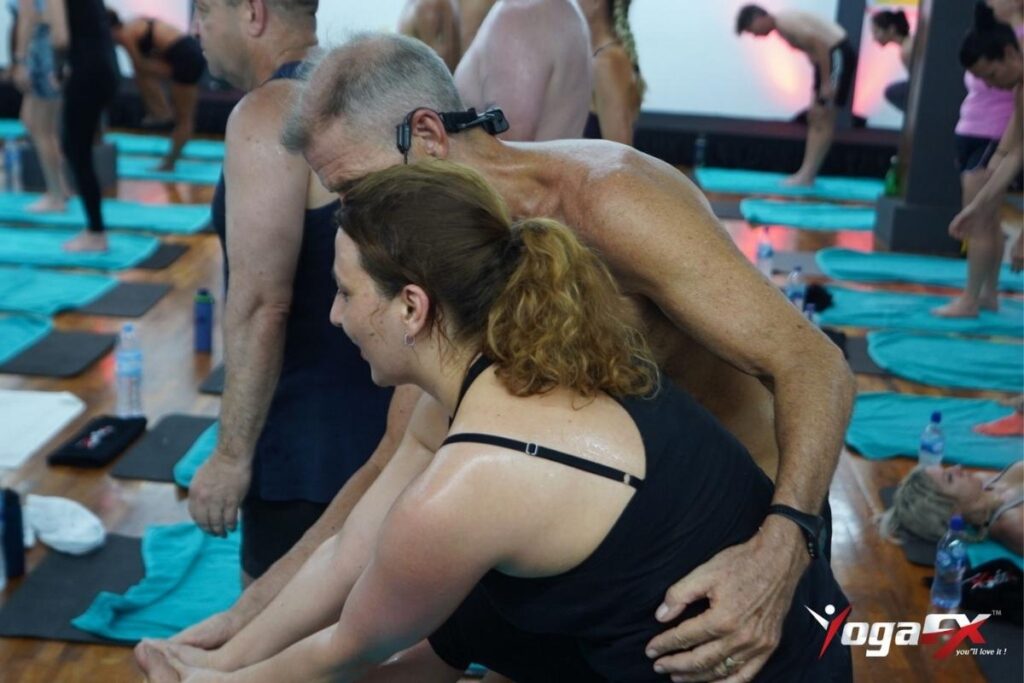
The first year after certification is where most new instructors either build real momentum or get discouraged and drift away from teaching entirely. A few patterns separate the two outcomes, regardless of which style or method someone is certified in.
New instructors who treat the first several months as a deliberate reputation-building period, rather than expecting immediate full bookings, tend to fare better than those who expect a steady client base to appear right after certification.
This often means teaching a mix of paid studio classes and lower-cost or free community sessions specifically to build visible experience and word-of-mouth referrals, even though the early economics are unfavourable.
The instructors who skip this stage and go straight to trying to command premium freelance rates with no teaching history often struggle to fill classes at all.
Consistency also matters more than most new instructors expect. A studio that offers you an early-morning or less popular time slot is still a foothold, and showing up reliably for a less desirable slot for several months is frequently how instructors earn access to better-scheduled classes later.
Turning down inconvenient slots early on, while waiting for a more ideal schedule, is one of the more common reasons promising new instructors never build the momentum they were hoping for.
Finally, most successful first years involve some form of income outside pure class teaching during the buildup period, whether that is private sessions, workshops, retreat collaborations, or in some cases keeping a part-time role in another field while the teaching client base grows.
Treating the first year as purely teaching income, with no bridge, creates unnecessary financial pressure that can push someone out of the profession before their reputation has had time to build.
Common Mistakes New Instructors Make
- Underpricing to compete on cost alone. A new instructor charging significantly less than the market rate often signals inexperience rather than value, and it makes raising rates later harder once students expect the discount price.
- Trying to be a generalist too early. Spreading across many styles before mastering one well tends to produce a diluted teaching identity that students find harder to describe or recommend to others.
- Underestimating the physical toll of teaching, especially in hot yoga. Teaching several heated classes a day is a real physical demand on top of your own practice, and instructors who do not plan for their own recovery and heat conditioning burn out faster than expected.
- Neglecting the business side entirely. Even studio-employed instructors benefit from treating their own reputation, social presence, and student relationships as something to actively manage, not something that takes care of itself.
- Choosing a training programme on price alone. A cheaper certification from an unverified or thin programme can cost more in the long run if it leaves genuine gaps in dialogue delivery, sequencing knowledge, or credential recognition once you start teaching.
What You Actually Need to Start
A registered 200-hour teacher training programme is the standard entry credential, whether generalist or specialist. Beyond the certification itself, the practical starting requirements are teaching experience, which most programmes build in through supervised practice teaching during the course, and a body of work you can point to, even if that is a handful of community classes taught for free or at a reduced rate while building initial experience and confidence.
Verifying that a training programme’s credentials are genuine matters just as much when you are choosing where to train as it does when you are evaluating a teacher to take a class from, since your own credibility as a new instructor rests partly on the credibility of your training. The no-experience-required question and actual cost breakdown are usually the next two things worth checking once you have a shortlist of programmes.
Mr. Ian Terry’s Path: Practitioner to Founder
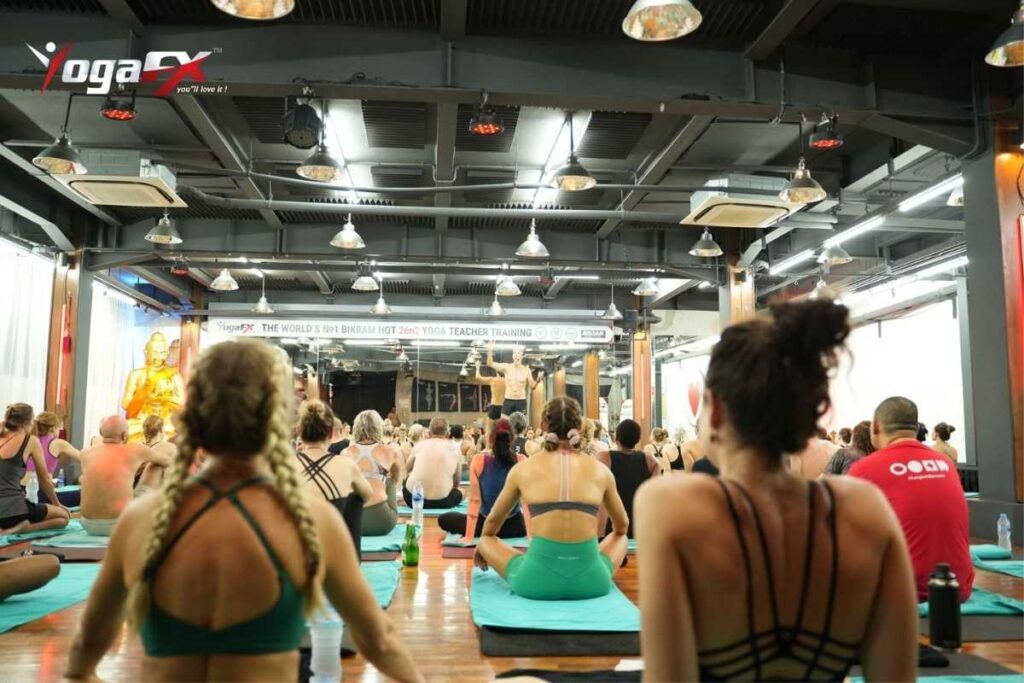
Mr. Ian Terry’s own career illustrates how far the specialist path can go. He trained directly under Bikram Choudhury across five separate events between 2012 and 2019, a path that required years of committed practice and travel rather than a single weekend course.
From there, he built more than 12,000 hours of teaching experience, eventually founding YogaFX and its teacher training academy in Bali, and was appointed Master Trainer of the Republic of Indonesia Yogasana Sports Federation in June 2026.
Graduates of his programme have gone on to represent Indonesia at the World Yogasana Sports Federation Championships, including a combined seven-medal result at the Ahmedabad 2026 event. You can meet Mr. Ian and the rest of the YogaFX Bali teaching team here, including the instructors who trained under him.
None of that happened from a single certification. It happened from choosing a specific method, going deep on it over years rather than staying generalist, and eventually building a training programme that reflects that depth.
Not every instructor wants to run a teacher training academy, and that is a perfectly reasonable choice. But the underlying pattern, specialising deeply in one method rather than staying broad and generic, is the same lever available to anyone starting out today.
FAQ
How much does a yoga instructor actually earn?
It depends heavily on employment structure, location, and specialisation. Studio-employed instructors typically earn steadier but capped per-class rates. Freelance instructors have higher earning potential but unpredictable income, especially in the first year or two. Specialisation in a specific method, rather than staying a generalist, tends to support a stronger market position.
What does a yoga instructor do besides teach classes?
Class preparation, maintaining their own practice and physical capacity, building and retaining a student base, handling bookings, and ongoing education to maintain or add certifications. Hot yoga instructors also need their own heat conditioning to sustain a full teaching schedule in heated rooms.
Is it better to specialise or teach multiple styles?
Specialising in one method deeply, such as Bikram 26 and 2, creates a more defensible market position than being a generalist competing in a larger, more saturated pool. It does not guarantee higher pay automatically, but it gives students a clearer reason to choose you specifically.
How long does it take to become a full-time yoga instructor?
Certification itself can take as little as six days in an intensive format, but building a stable full-time income typically takes one to three years, whether through studio employment, a growing freelance client base, or a combination of both while reputation and experience develop.
Considering Teacher Training Yourself?
The YogaFX programme runs as a 6-day intensive hybrid format in Seminyak, Bali, capped at 19 students per intake, leading to dual certification: Yoga Alliance RYT 200 and the Bikram Hot 26 and 2 credential, taught directly under Mr. Ian Terry. The complete programme guide covers curriculum and schedule in full, or claim a Free 1-Day Guest Pass at the Seminyak or Canggu studio to experience the method as a student first.