Imagine stepping off a flight into Bali’s warm tropical air. Within 48 hours, you’re standing in a heated room, moving through one of the world’s most structured yoga practices — and feeling more alive than you have in months.
This is Bikram Yoga in Bali. And it’s unlike anything you’ve experienced before.
Whether you’re a complete beginner, a traveling yogi, or a seasoned practitioner looking for a new challenge — Bali is one of the best places on earth to practice Bikram Yoga. In this guide, we’ll tell you exactly what it is, how it works, what to expect, and why thousands of students fly to Bali specifically for this practice.
For practitioners who want to take this further, starting your Bikram yoga teacher training in Bali is the natural next step — and experience is not a prerequisite.
What Is Bikram Yoga?
Bikram Yoga is a structured 90-minute hot yoga practice consisting of 26 poses and 2 breathing exercises, performed in a room heated to 40°C (104°F) with 40% humidity.
Developed by Bikram Choudhury in the 1970s, the practice follows the same sequence in every class, at every studio, worldwide. The order never changes. The poses are always the same. This consistency is intentional — and it’s what makes the practice so effective over time.
Unlike other yoga styles, Bikram Yoga is not about creativity or flow. It is about precision, repetition, and building a relationship with your own body through a fixed, medically-informed sequence.
A single class burns between 400–600 calories, depending on body weight and exertion level. See the full analysis of how many calories Bikram yoga burns per session and how it compares to other exercise formats.
| QUICK DEFINITION Bikram Yoga = 26 poses + 2 breathing exercises + 90 minutes + 40°C. Same sequence. Every class. Every studio. Worldwide. |
Why Bali Is One of the Best Places to Practice Bikram Yoga?
Bali is not just a beautiful island. It is a world-class wellness destination — and one of the most ideal environments on earth for Bikram Yoga. Here’s why:
- Tropical climate: Outdoor temperatures of 28–34°C mean your body is already warm before you enter the studio. Your muscles adapt faster and you feel comfortable sooner.
- Certified instructors: Bikram Yoga FX Bali follows the original 26-pose method with certified teachers. No shortcuts. No variations. Just the real practice.
- Affordability: A single class in Bali costs 40–70% less than in Europe or North America. Longer stays and 10-day challenges are accessible to more people.
- Wellness ecosystem: Bali offers everything a serious practitioner needs around their classes — healthy food, rest, nature, and a culture that supports healing.
- Intimate class sizes: Studios in Bali are smaller and more personal than in large Western cities. Instructors know your name, your level, and your progress.
Bali’s tropical temperatures already hover between 28–34°C — meaning your muscles arrive warm before you even enter the studio. How Bali’s natural heat enhances your Bikram practice goes deeper into why this matters physiologically.
How Does a Bikram Yoga Class Work?
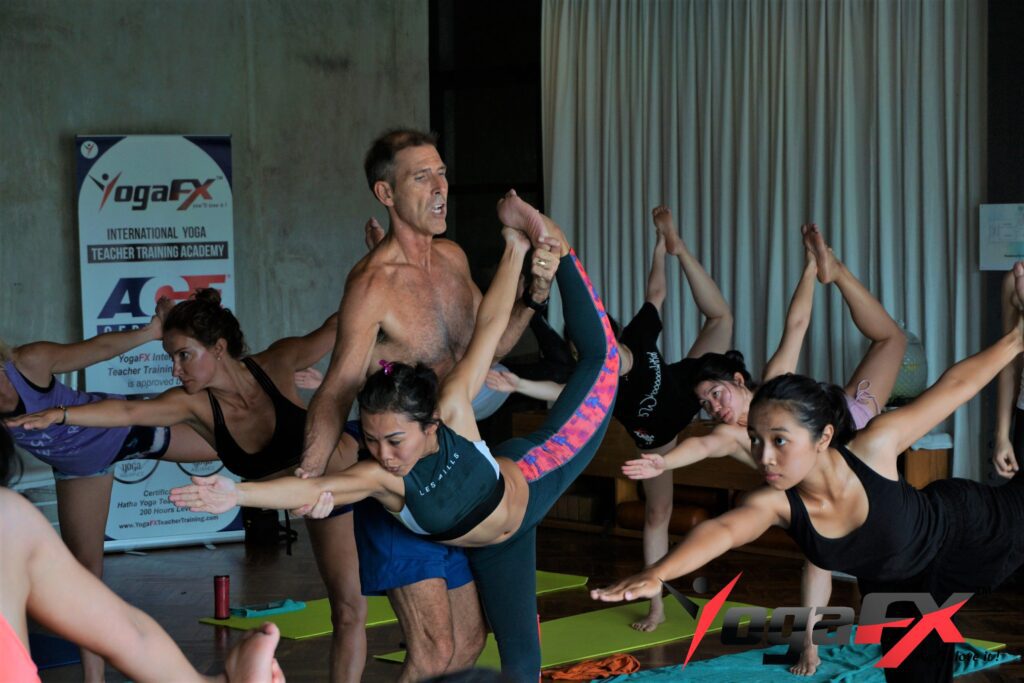
Every Bikram class follows the same structure. Here is exactly what to expect when you walk through the door at Bikram Yoga FX Bali:
Step 1: Arrive early
Come 15 minutes before class starts. This gives you time to sign in, change, and set up your mat. The studio will provide mats if needed, but bringing your own large towel is essential.
Step 2: Enter the heated room
The room is 40°C. This will feel intense at first — especially if it is your first class. Take a slow, deep breath and lie on your mat. Your body will adapt within the first 10 minutes. Do not leave the room. Staying inside, even if you need to rest, is the most important thing you can do.
Step 3: Follow the instructor
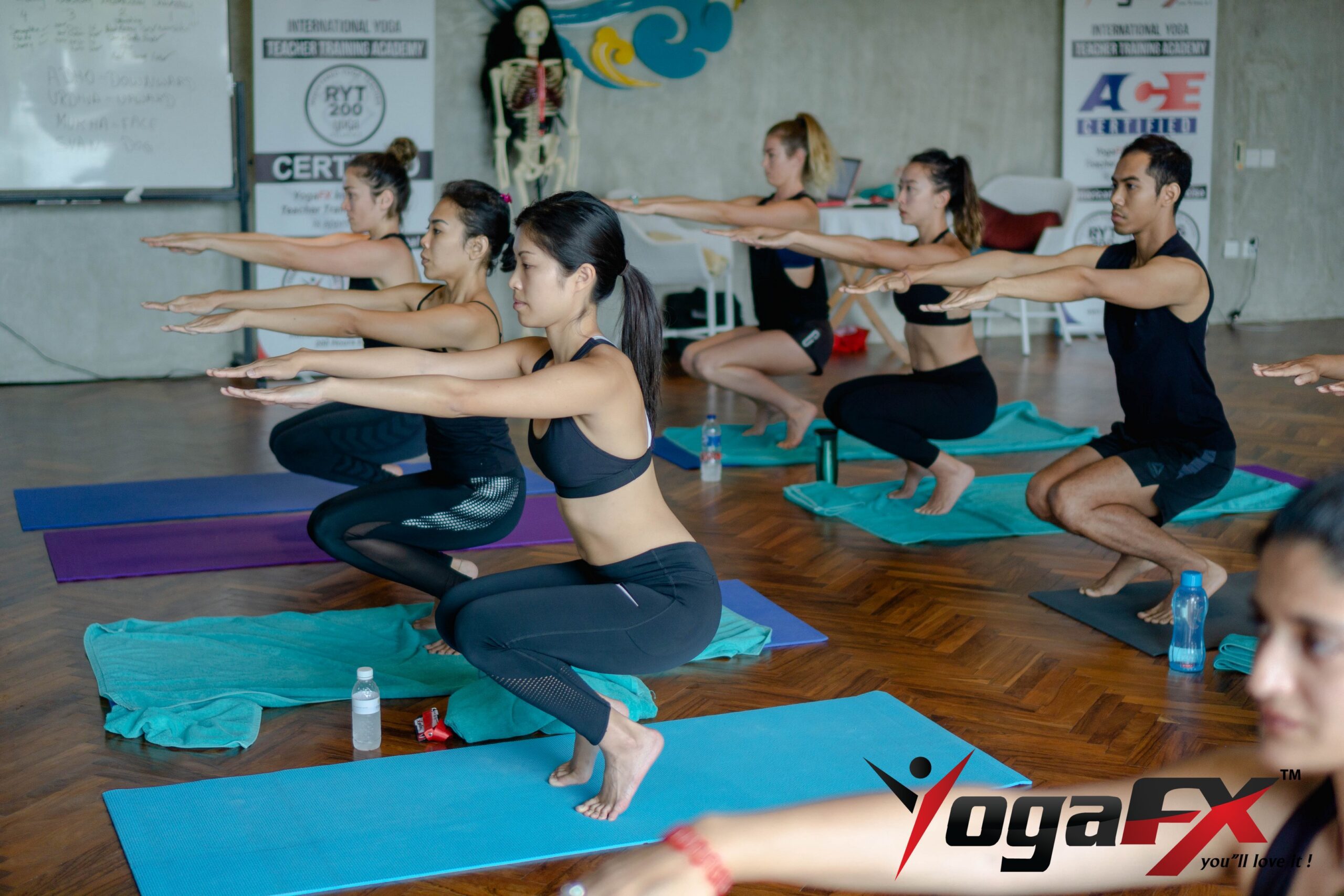
The instructor guides every pose using spoken dialogue. There is no music. You focus only on your body, your breath, and the instructor’s voice. Each pose is performed twice — held for 10 to 60 seconds each time.
Step 4: Rest between poses
After most poses, you rest flat on your back in Savasana (Corpse Pose). These short breaks are part of the practice — not optional rest periods. They allow your heart rate to recover and your body to absorb the work.
Step 5: End with final breathing
The class closes with Kapalabhati breathing — a rapid, rhythmic exhale exercise that clears the lungs and energizes the body. After this, class is complete.
Not all hot yoga destinations are equal — if you’re deciding where to commit to a practice, read our breakdown of Bali vs Bangkok vs Ubud for hot yoga to see how they compare on climate, cost, and studio quality
| FIRST-TIMER TIP If you feel overwhelmed during class, do not leave the room. Lie on your mat, breathe slowly, and rest. The heat subsides quickly when you are horizontal. Staying in the room — even without doing poses — counts as completing the class. |
Benefits of Bikram Yoga: What Happens in Your Body
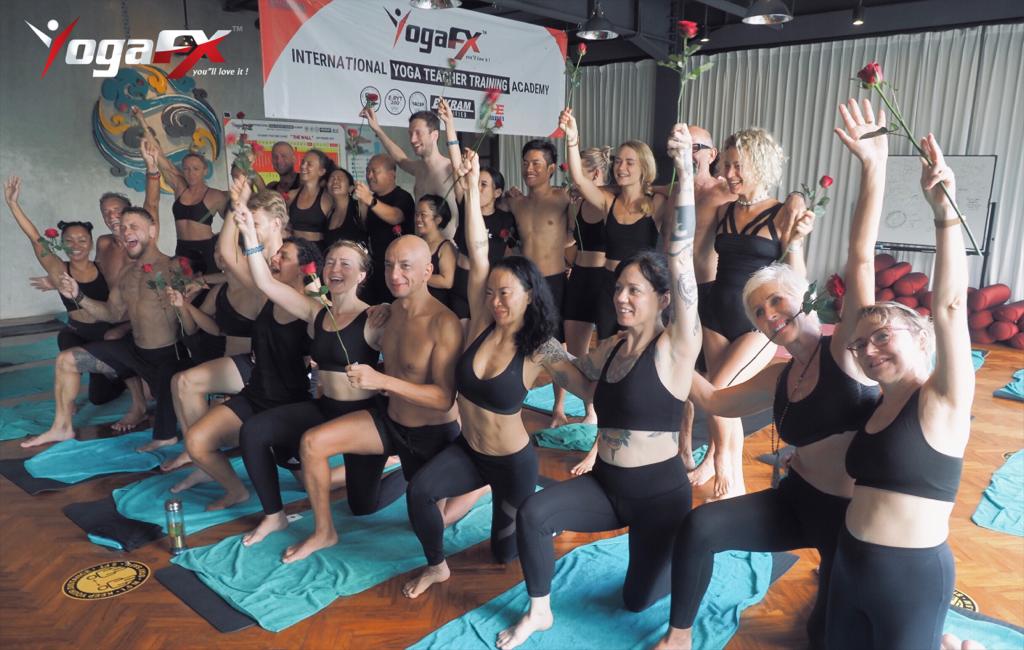
The benefits of Bikram Yoga go well beyond flexibility. Here is what happens inside your body during a 90-minute class:
Physical benefits
- Improved flexibility: The 40°C heat softens your muscles and connective tissue, allowing for a deeper, safer range of motion than in a cold environment.
- Full-body strength: The 26 poses work every major muscle group. Standing poses build leg and core strength. Floor poses strengthen the back, shoulders, and hips.
- Better posture: Many poses focus on spinal alignment and compression. Regular practice corrects imbalances caused by sedentary modern lifestyles.
- Weight management: A single 90-minute class burns 400–600 calories. The elevated heart rate from heat adds a cardiovascular element to every session.
- Joint health: Controlled heat and deliberate movement lubricate the joints. Many practitioners report reduced pain in the knees, hips, and lower back.
Not every studio in Bali teaches the original method. If you want to know what makes Bikram YogaFX Bali different from other studios, the answer comes down to certification, class size, and instructor standards.
Mental and emotional benefits
- Stress reduction: The focused, heat-immersive environment forces you to be fully present. Anxiety and mental chatter fade within the first 20 minutes.
- Mental clarity: Students consistently report feeling sharper, calmer, and more focused after class.
- Discipline and confidence: Completing a 90-minute Bikram class — especially your first one — builds a quiet, powerful confidence that carries over into daily life.
- Better sleep: The physical demands of the class and the parasympathetic response triggered by Savasana promote deep, restorative sleep.
Is Bikram Yoga Right for You?
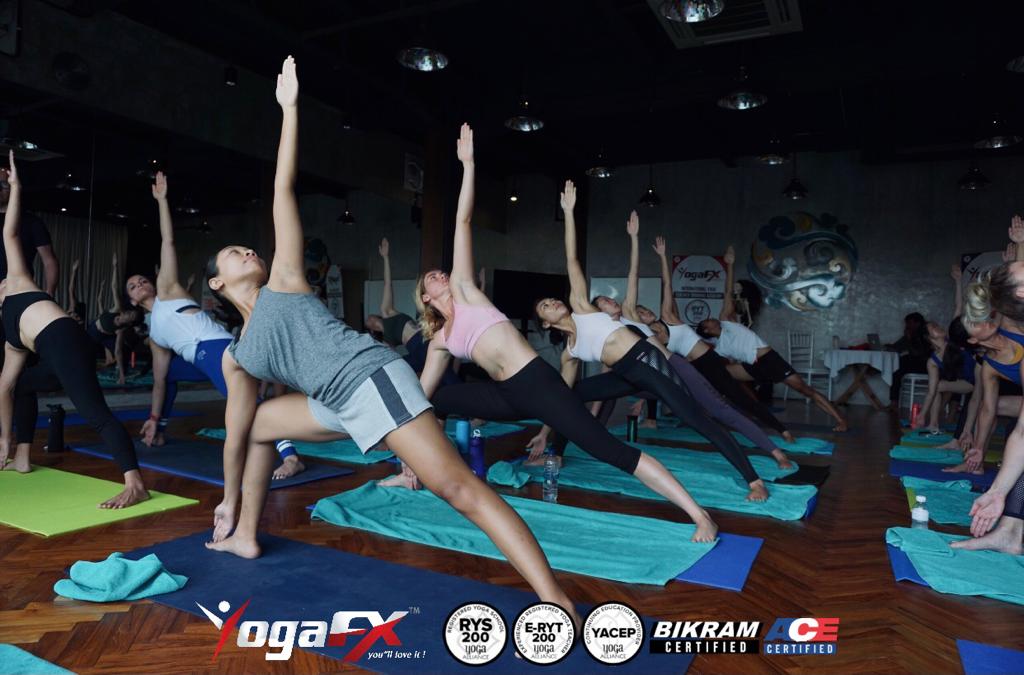
Bikram Yoga is for everyone. The practice is designed to be universal — accessible to different bodies, ages, and fitness levels. However, there are some specific groups who benefit most:
- Complete beginners: The fixed sequence means you learn the same poses repeatedly. Progress is visible and motivating.
- Travelers and tourists: A single drop-in class is available at most studios. You can practice once or commit to a 10-day challenge during a longer Bali stay.
- Athletes and active people: Bikram Yoga improves flexibility, recovery, and mental focus — areas that complement training in almost any sport.
- People managing stress or burnout: The meditative environment and physical intensity of a Bikram class provide a structured reset for an overworked mind.
Every class follows the same structure, start to finish. For a pose-by-pose breakdown, see the complete 90-minute Bikram yoga routine and what to expect at each stage.
5 Mistakes First-Timers Make in Bikram Yoga
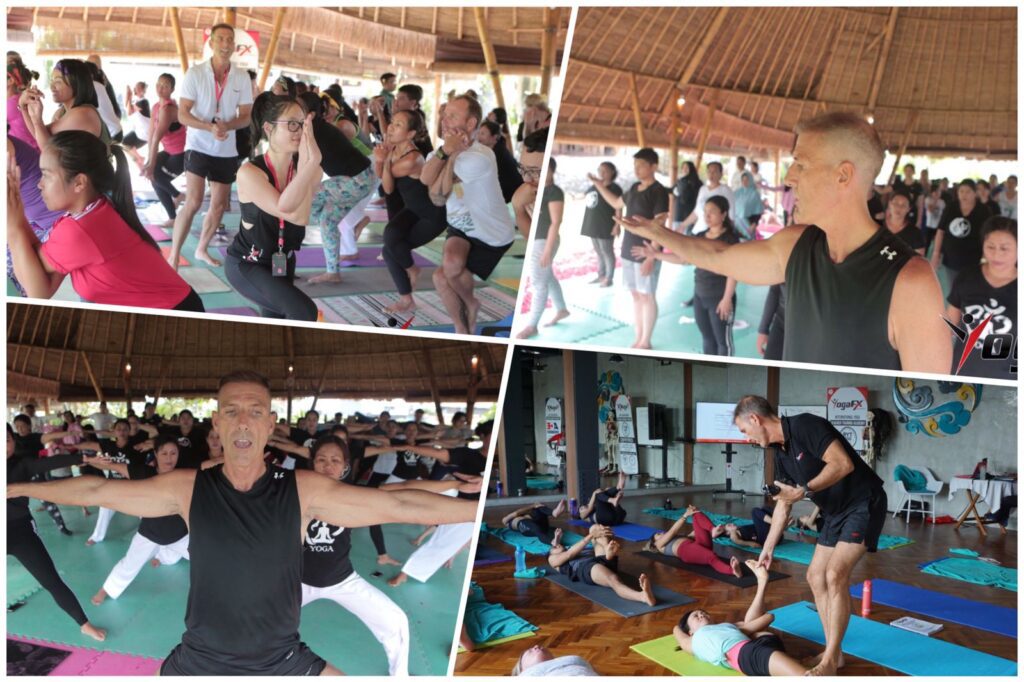
Most people make the same mistakes in their first class. Knowing these in advance makes a significant difference:
- Not hydrating beforehand. Drink at least 2 litres of water in the 24 hours before class. Do not rely on drinking during class alone.
- Eating too close to class. Fast for at least 2–3 hours before practice. A full stomach in 40°C heat is deeply uncomfortable.
- Leaving the room. If you feel overwhelmed, lie down on your mat. Leaving the heated room causes your body temperature to drop suddenly — which is more disorienting than staying inside.
- Comparing yourself to others. In Bikram Yoga, your only competition is the version of you that walked in 89 minutes ago. Focus on your own mat.
- Stopping after one class. The first class is always the hardest. Most students feel the true benefits after 5–10 classes. The practice rewards consistency above all else.
How to Prepare for Your First Class at Bikram Yoga FX Bali

Here is everything you need to know before your first class:
- Wear light, breathable clothing. Shorts and a sports top work best.
- Bring a large towel (to cover your mat) and a smaller one for sweat.
- Bring a full bottle of water — at least 1 litre.
- Arrive 15 minutes early to sign in and settle.
- Do not eat for 2–3 hours before class.
- Leave jewellery and watches outside the room.
- Tell the instructor it is your first class. They will advise and support you throughout.
| READY TO START? Your first class at Bikram Yoga FX Bali is waiting. Whether you’re here for a day or a month, beginners and experienced practitioners are welcome. Drop in for a single class or commit to a transformative 7-day challenge. Visit bikramyogafxbali.com to book your first class today. |
FAQ
What is Bikram Yoga?
Bikram Yoga is a 90-minute yoga class with 26 fixed poses and 2 breathing exercises, practiced in a room heated to 40°C (104°F). The sequence is the same in every class worldwide.
Is Bikram Yoga suitable for beginners?
Yes. Bikram Yoga is beginner-friendly. You do not need to be flexible or experienced. Instructors guide you through every pose, and you can rest anytime during class.
Why is Bali a great place for Bikram Yoga?
Bali has certified Bikram instructors, an affordable cost of living, a warm tropical climate, and a yoga culture that makes the practice feel accessible and natural.
How many calories does Bikram Yoga burn?
A 90-minute Bikram class can burn between 400–600 calories, depending on your body weight and effort level. The heat increases your heart rate, adding a cardiovascular element.
How hot is a Bikram Yoga class?
The room is heated to 40°C (104°F) with approximately 40% humidity. This is intentional — the heat helps your muscles stretch more safely and deeply.