
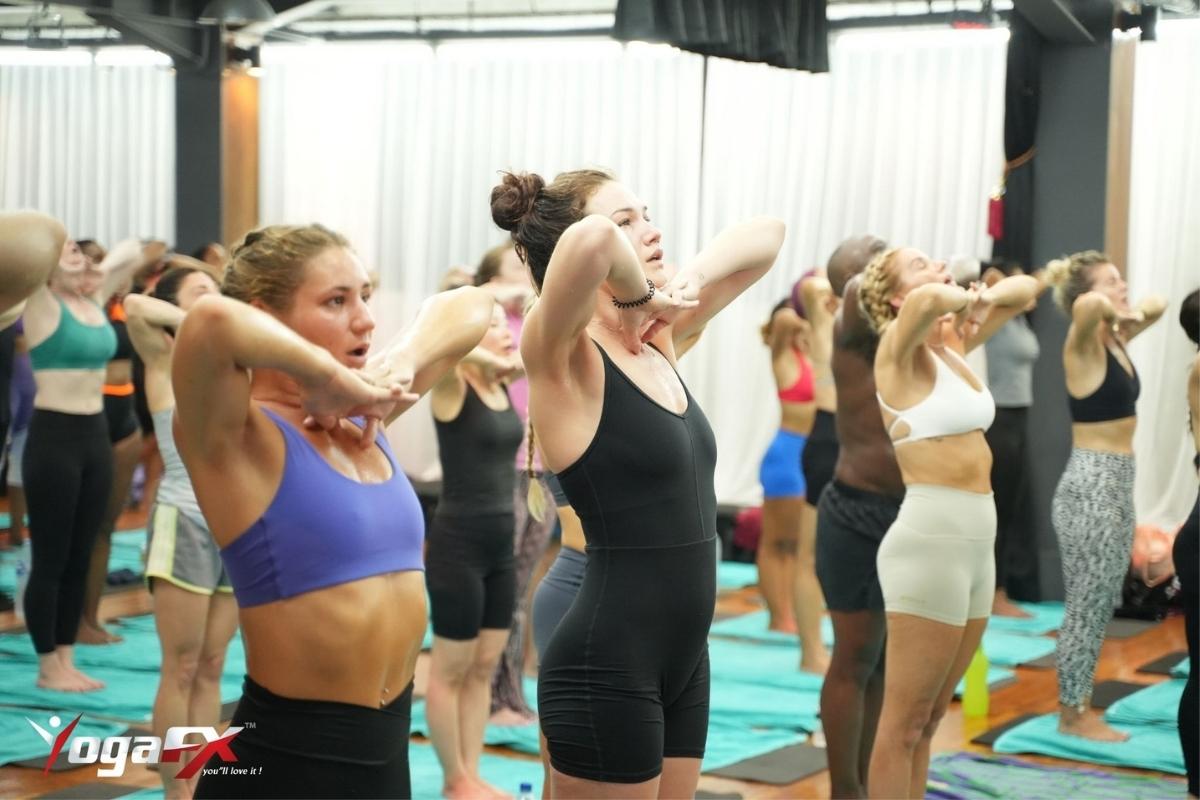
For most healthy adults, Bikram yoga is safe, and the published research backs that up. But “most healthy adults” isn’t everyone, and there are specific groups, older adults with cardiovascular risk factors, people on certain medications, and anyone with a heat-sensitive medical condition, who should either avoid it or talk to a doctor first.
For more common questions beyond safety alone, see our Bikram yoga FAQ.
This article walks through what the research actually shows, who needs extra caution, and how to tell normal first-class discomfort from a genuine warning sign. As always, this is general information, not a substitute for advice from your own doctor about your specific health.
What the Research Actually Shows About General Safety
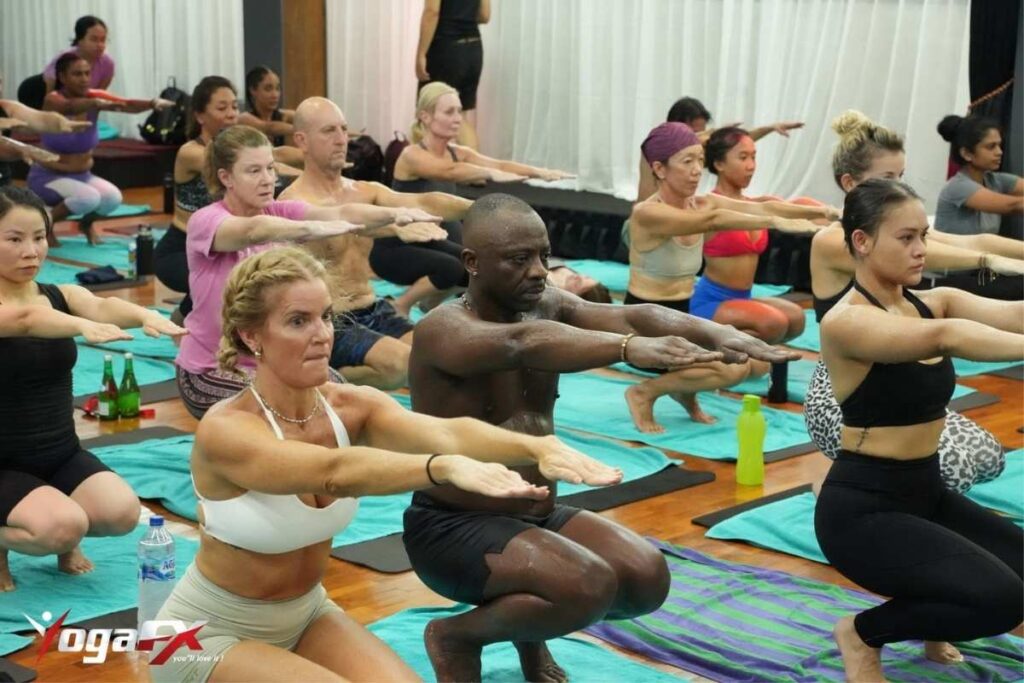
A 2015 critical review published in Evidence-Based Complementary and Alternative Medicine gathered and evaluated the published research on Bikram yoga to date (Hewett et al., 2015). It confirmed the practice improves lower body strength, range of motion, and balance in healthy adults, with some studies also reporting benefits for glucose tolerance, bone density, and blood lipid profile.
For the population the studies were actually conducted on, generally healthy adults without major pre-existing conditions, the safety profile is solid.
The review’s authors did flag one specific caution: men aged 45 and older and women aged 55 and older are already at higher baseline risk for heart disease, and this group should exercise caution and consider medical clearance before starting, particularly if coming from a sedentary lifestyle.
That single caution is worth taking seriously precisely because the rest of the research is reassuring. It’s not a blanket warning against Bikram for older adults, it’s a specific recommendation to check with a doctor first if you’re in that age bracket and haven’t been regularly active.
Who Should Avoid or Take Extra Caution
Beyond the age-related cardiovascular caution above, a handful of specific situations come up consistently enough in medical guidance that they’re worth naming directly.
- Pregnancy. Major medical bodies including ACOG and Mayo Clinic generally advise against hot yoga during pregnancy due to overheating risk. This deserves its own detailed answer, which we’ve covered separately in our guide to Bikram yoga and pregnancy.
- Blood pressure medications and diuretics. Both categories can interfere with the body’s ability to regulate temperature and manage fluid balance, which matters directly in a room designed to make you sweat heavily for 90 minutes. Anyone on these medications should discuss hot yoga specifically with the prescribing doctor.
- History of heat stroke or heat exhaustion. A previous heat-related medical event is a recognised risk factor for future episodes, and a Bikram room is one of the more concentrated heat exposures a person is likely to choose voluntarily.
- Multiple sclerosis and other heat-sensitive neurological conditions. Somewhere between 60 and 80% of people with MS experience Uhthoff’s phenomenon, a temporary worsening of neurological symptoms, such as vision changes, weakness, or balance issues, triggered by even a small rise in core body temperature. The effect is temporary and reverses on cooling down, but it’s a real and common enough response that anyone with MS or a similar condition should talk to their neurologist before attempting a heated class.
- Kidney conditions or anything affecting fluid and electrolyte balance. Ninety minutes of heavy sweating is a significant fluid and electrolyte load on the body. Anyone managing a kidney condition or an electrolyte imbalance should get specific guidance from their doctor before attempting a full class.
None of these conditions automatically mean Bikram is off the table forever. In several of these categories, people do practice successfully with their doctor’s involvement and appropriate precautions. The point isn’t to create alarm, it’s to make sure the decision gets made with the right information rather than by accident on a first visit.
What Reduces Risk for Everyone, Regardless of Health Background
Two factors show up repeatedly across the research and the practical guidance from experienced instructors: hydration and heat acclimatisation. Most of the risk in a heated room comes from the combination of fluid loss and an unprepared body, not from the heat alone. Understanding exactly how hot the room gets and why helps explain why this preparation matters as much as it does.
Arriving already well hydrated, rather than trying to catch up during class, makes a measurable difference to how the body copes over 90 minutes. What and when you eat beforehand matters too, since digestion competes directly with the body’s ability to manage heat, which is part of why most instructors recommend a light meal at least two hours before class rather than eating right beforehand.
Heat acclimatisation is the other half of it. The first few classes are consistently the hardest for anyone, healthy or otherwise, because the body hasn’t yet adapted its sweat response and cardiovascular efficiency to the heat.
This is normal and improves class by class, which is part of why instructors generally recommend easing into a regular practice rather than attempting an intense schedule from day one, particularly for anyone in one of the higher-caution categories above.
Normal First-Class Discomfort vs a Genuine Warning Sign
Even for healthy first-time students, a Bikram class in 40°C heat is intense, and some discomfort is expected and not a red flag on its own. Feeling breathless, sweating heavily, needing to sit out a posture or two, and general fatigue by the end of the 90 minutes are all common, especially before your body has adapted to the heat over a few classes.
What isn’t normal, and is a reason to stop immediately, lie down, and get help from the instructor, includes: dizziness severe enough that you can’t stay upright, confusion or disorientation, a headache that comes on suddenly and intensely, nausea severe enough to vomit, a racing heart that doesn’t settle when you rest, or skin that stops sweating despite the heat, which can be a sign the body’s cooling system is overwhelmed.
Any of these warrant stopping the class and, if they don’t resolve quickly with rest, cooling down, and rehydration, seeking medical attention.
If a cardiovascular caution above applies to you and you’re weighing a gentler alternative, our hot yoga vs sauna comparison breaks down which one asks less of your heart while you decide, and our broader is hot yoga safe guide covers risk factors beyond the Bikram-specific ones above.
How YogaFX Approaches This
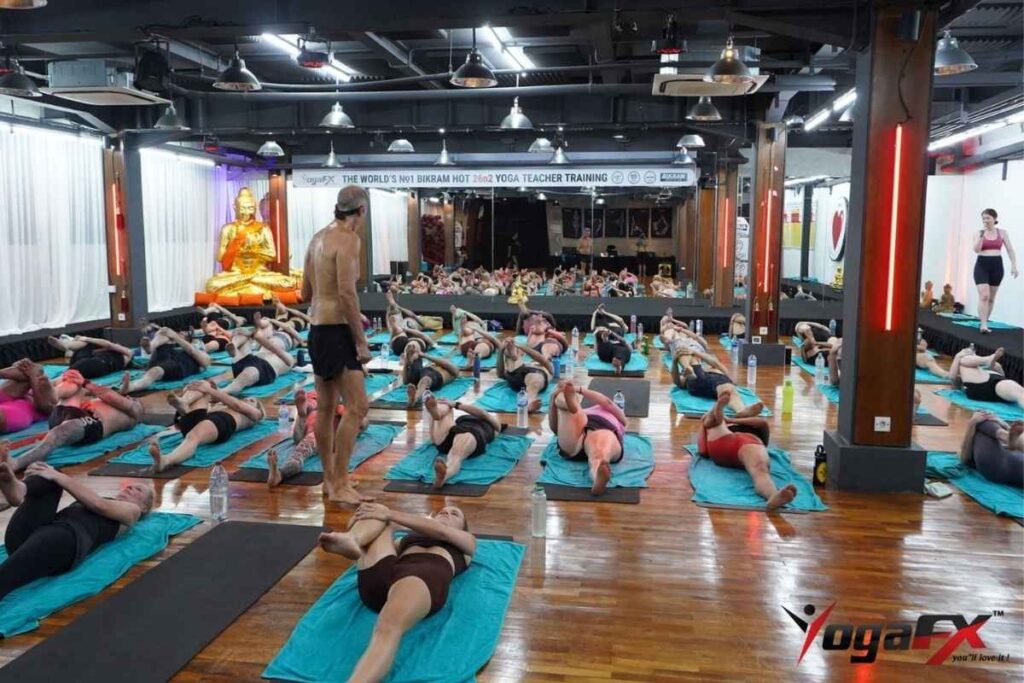
Mr. Ian Terry, E-RYT 500 and founder of YogaFX, has taught more than 12,000 hours in the room and has seen the full range of how different bodies respond to heat, from complete beginners to practitioners managing ongoing health conditions.
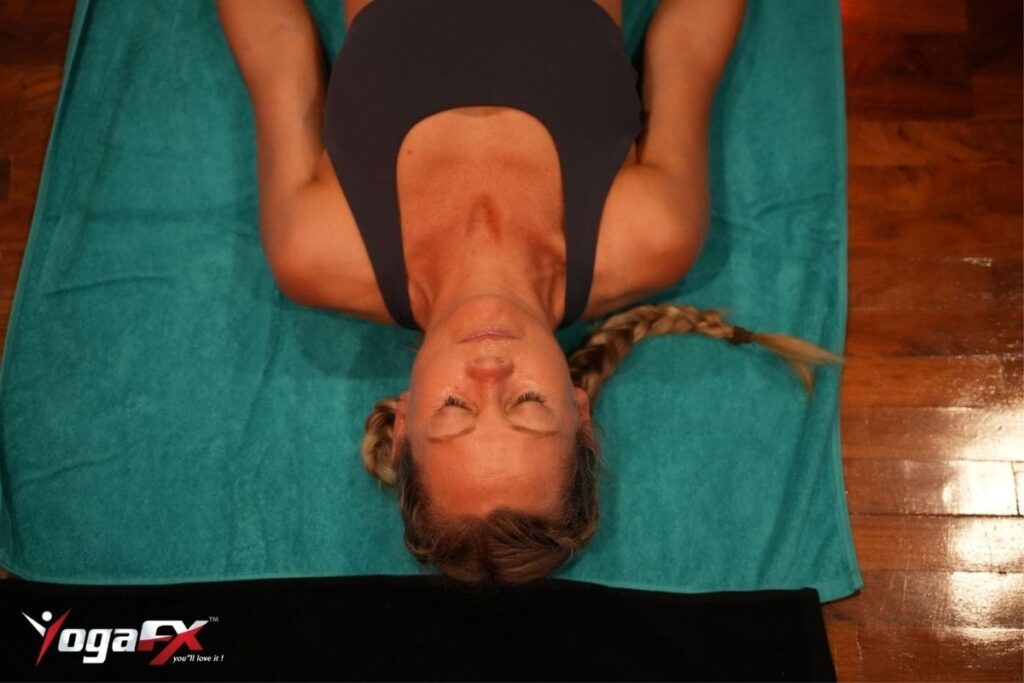
The consistent advice given to new students, regardless of background, is straightforward: arrive well hydrated, tell the instructor before class if you have any medical condition, take any medication, or are pregnant, and know that resting in Savasana at any point during class is always acceptable and never a sign of failure.
The natural humid heat used at YogaFX‘s Seminyak and Canggu studios, rather than dry electric heaters, also produces a more sustained and even sweat response than dry heat, which several practitioners find easier to manage over the full 90 minutes once acclimatised.
That said, natural heat doesn’t change any of the caution above. If you fall into one of the categories described here, the conversation to have is with your doctor, not with the studio.
If you’re new to the practice generally, it’s worth reading what to expect in your first Bikram class before booking, so you know what’s a normal part of the experience versus something to flag.
FAQ
Is Bikram yoga safe for most people?
For healthy adults without the specific risk factors covered in this article, published research supports Bikram yoga as a safe and effective practice. The main documented caution is for men 45 and older and women 55 and older, who face higher baseline cardiovascular risk and should consider medical clearance first.
Who should not do Bikram yoga?
People who are pregnant, taking blood pressure medications or diuretics, have a history of heat stroke or heat exhaustion, have multiple sclerosis or another heat-sensitive neurological condition, or have kidney or electrolyte-balance conditions should talk to their doctor before attempting a class.
Is it normal to feel dizzy or nauseous during your first Bikram class?
Mild discomfort, breathlessness, and needing to rest during a first class are common as your body adapts to the heat. Severe dizziness, confusion, a racing heart that won’t settle, or skin that stops sweating are warning signs that mean you should stop and get help immediately.
Can people with heart conditions do Bikram yoga?
Anyone with an existing heart condition should get clearance from their doctor before starting Bikram yoga, given the combined cardiovascular demand of heat and exercise. This applies regardless of age, though the research specifically flags older adults as a group warranting extra caution.
Does having a health condition mean I can never do Bikram yoga?
Not necessarily. Many of the conditions listed here don’t rule out Bikram permanently, they mean the decision should be made with your doctor’s input rather than without it. Telling your instructor about any condition before class also helps them support you appropriately.
This article is for general information only and is not a substitute for medical advice. Please consult your doctor before starting Bikram yoga or any new exercise programme, particularly if you have an existing health condition or take regular medication.