
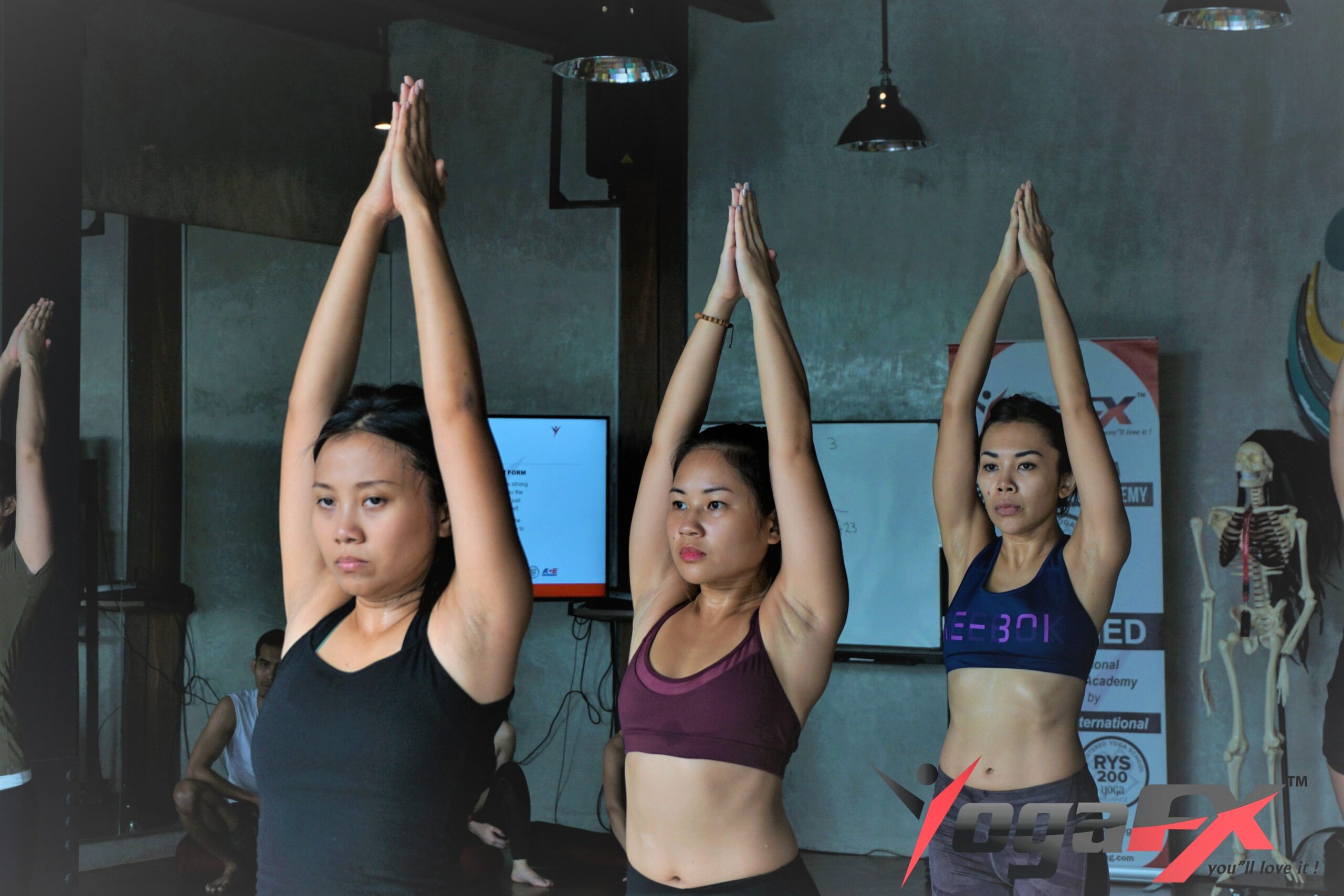
There is a reason that Bikram Yoga studios in cold climates spend considerable energy — and electricity — heating their rooms to 40°C. The heat is not incidental to the practice. It is the practice.
Now imagine arriving at a studio where the surrounding environment is already 30–34°C. Where the air is warm and humid before you even step through the door. Where your body is already soft, already primed, already beginning the process that the studio’s heating system is working hard to replicate elsewhere in the world.
This is what practicing Bikram Yoga in Bali feels like. And it creates real, measurable differences in your experience — especially if you are coming from a colder climate.
Heat is not a side effect of Bikram yoga — it is the practice itself. For a full overview of how this works in Bali, see the complete beginner’s guide to Bikram yoga in Bali.
This article explains exactly why Bali’s natural heat matters, what it does to your body before and during class, and why it makes the Bikram method more effective and more accessible here than almost anywhere else on earth.
| KEY FACT Bikram Yoga requires a room temperature of exactly 40°C (104°F) with 40% humidity. In Bali, outdoor temperatures regularly reach 30–34°C with natural humidity well above 40%. The studio environment and the island’s climate are unusually well aligned. |
What the Heat Actually Does in a Bikram Class
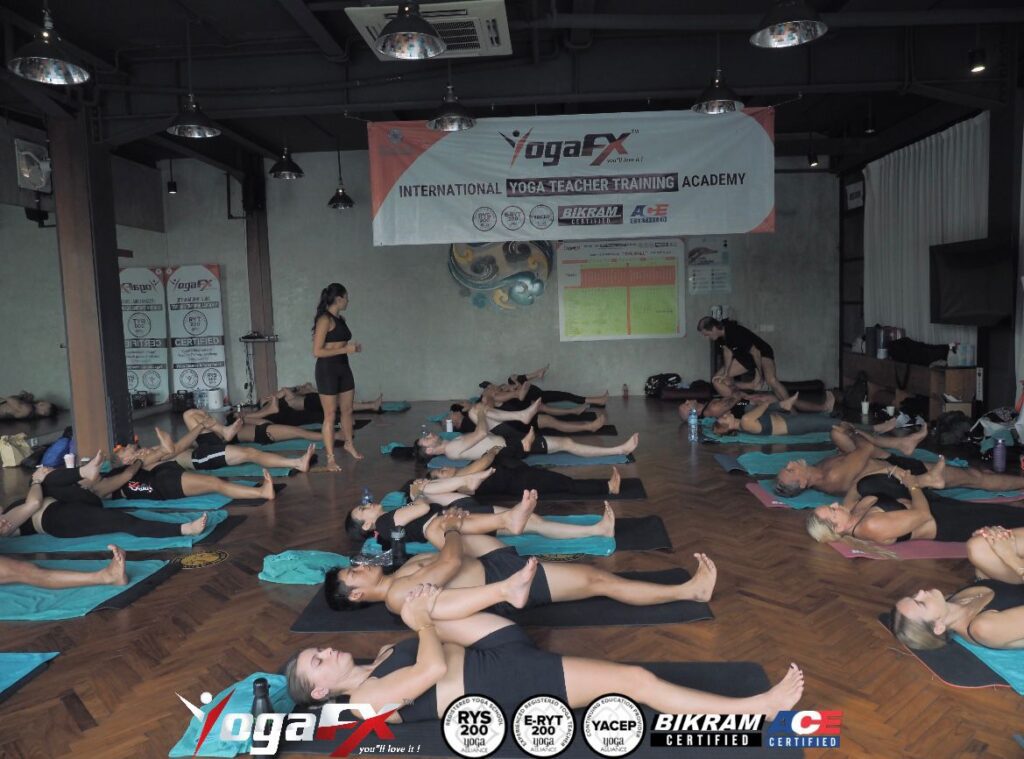
Before exploring Bali’s specific advantage, it helps to understand what the heat in a Bikram class is doing to your body — and why it matters so much.
It warms your muscles before they move
Cold muscles are less elastic. They resist stretching. They are more vulnerable to small tears when pushed beyond their resting range. Warm muscles behave differently: the fibres become more pliable, the connective tissue softens, and the range of motion expands without the same injury risk.
The 40°C room in a Bikram class replicates, artificially, what warm weather does naturally. It prepares the body for movement before the first pose begins.
It expands your blood vessels
Elevated ambient temperature causes vasodilation — your blood vessels widen. This increases blood flow to your muscles, bringing more oxygen and nutrients with each heartbeat. It also raises your heart rate, adding a cardiovascular dimension to what would otherwise be a static, low-intensity practice.
This is why students often describe Bikram Yoga as harder than it looks. The effort is not only in the poses. It is in the cardiovascular work the heat demands of your body throughout the 90 minutes.
It triggers deep, consistent sweating
Sustained sweating in Bikram Yoga is not a side effect. It is a mechanism. The body uses sweat to regulate its core temperature — and in doing so, it flushes metabolic waste, salt, and other compounds through the skin. Students regularly report feeling physically lighter after class. This is not metaphorical. It is the body’s own detoxification response, activated by sustained heat exposure.
Practitioners often ask whether Bali, Bangkok, or Ubud offers the best environment for hot yoga. The answer depends on more than just temperature — read the full comparison of why Bali beats Bangkok and Ubud for a serious hot yoga practice.
What Makes Bali’s Climate Uniquely Suited to Bikram Yoga
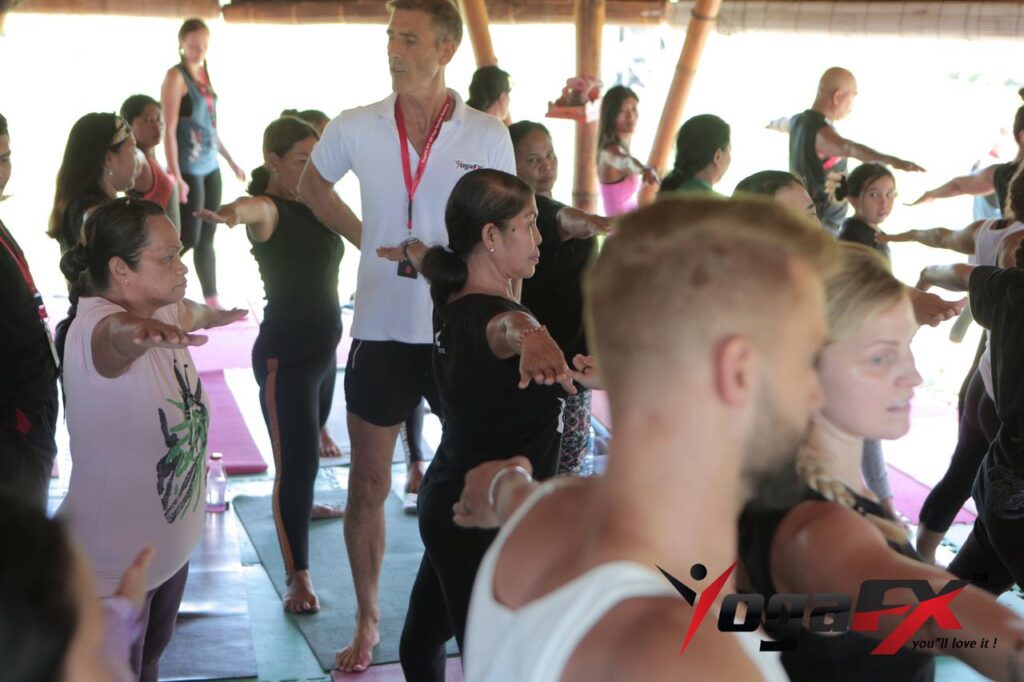
Most hot yoga studios anywhere in the world face the same challenge: they must heat a room from the inside while the surrounding environment works against them. In London, Toronto, or Tokyo, the studio heats to 40°C while outside it may be 10°C or colder. The body transitions from one extreme to another. This transition takes time and energy.
Bali eliminates most of that gap.
The pre-warming effect
When you travel to your Bikram class in Bali, your body is already warm. Walking, riding, or cycling through 30°C tropical air means your muscles are already softening before you arrive. Your core temperature is already slightly elevated. Your cardiovascular system is already working slightly harder than it would be in a cold environment.
By the time you enter the studio and the instructor begins class, your body has a head start. The first ten minutes of a Bikram class — which students in cold climates describe as the most difficult — feel more manageable in Bali because the body is not starting from scratch.
Natural humidity alignment
Bikram Yoga requires not just heat but humidity — specifically around 40%. Humidity is what allows the body to sweat effectively without drying out. Too little humidity and the heat becomes harsh, dehydrating, and harsh on the respiratory system. Too much and the room becomes suffocating.
Bali’s tropical climate maintains natural humidity levels that are closely aligned with the Bikram specification. The studio environment and the island’s ambient conditions work together rather than against each other. This produces a practice environment that feels notably more comfortable than hot yoga in artificially humidified studios in dry climates.
Elevated ambient heat raises your heart rate and metabolic output significantly during class. This directly affects the number of calories burned in a single Bikram session — more than most people expect.
Recovery happens in warmth
In cold climates, students leave a 40°C studio and step into 10°C air. The body temperature drops sharply. The muscles that worked so hard to warm up and open now tighten again. The recovery process is disrupted.
In Bali, you step outside into 30°C air. The transition is gentle. Your body maintains the warmth it built during class for longer. The post-class period — when the body absorbs and integrates the work done in the room — is extended and undisturbed.
| THE BALI DIFFERENCE IN ONE SENTENCE Cold-climate studios fight the environment to create the conditions Bikram Yoga needs. In Bali, the environment is already most of the way there. |
Bikram Yoga in Bali vs. Cold Climates: A Direct Comparison
| Factor | Cold-climate studio | Bikram Yoga FX Bali |
| Outdoor temperature | 0–20°C — body is cold on arrival | 30–34°C — body pre-warmed naturally |
| Pre-class muscle state | Tight, cold, requires full warm-up | Already softening before class begins |
| Humidity | Artificially added, hard to calibrate | Naturally aligned with Bikram requirements |
| First 10 minutes | Hardest part of class for most students | Significantly more manageable |
| Post-class recovery | Sharp temperature drop, muscles tighten | Gentle transition, warmth sustained |
| Energy cost | Body expends energy just adapting to heat | Adaptation is faster and less effortful |
| Overall comfort | High effort, high discomfort early on | More natural, accessible for beginners |
6 Specific Benefits of Bali’s Climate for Your Bikram Practice
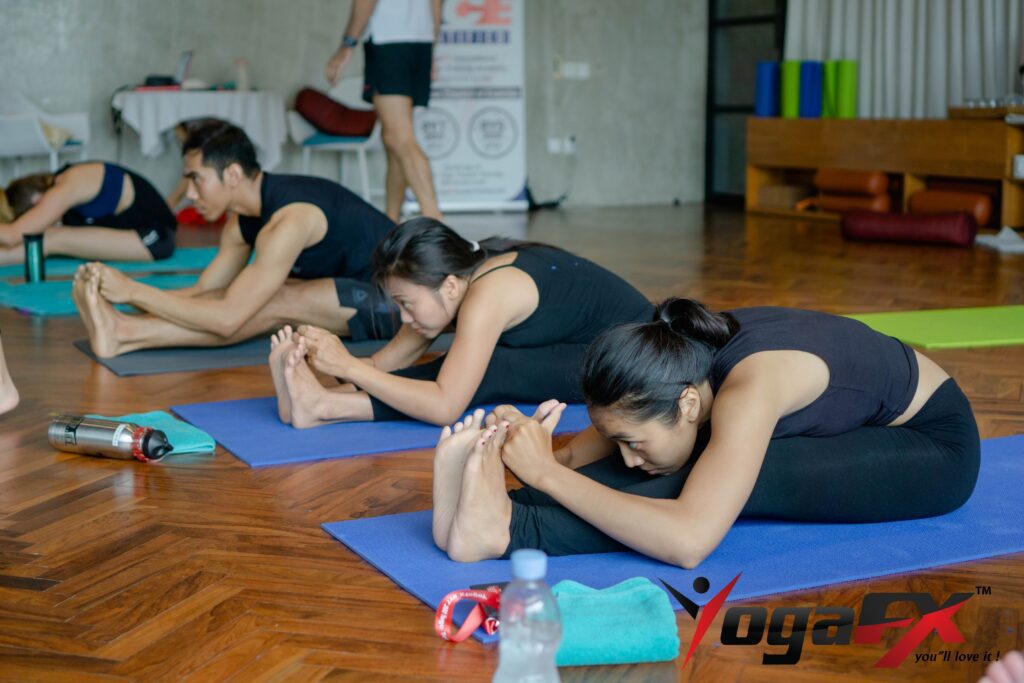
1. Faster flexibility gains
When your muscles arrive at class already warm, they are ready to stretch sooner. Students in Bali consistently report reaching deeper positions in their first few classes than they expected. The pre-warming effect shortens the time your body spends ‘catching up’ to the studio temperature — and more of your 90 minutes goes toward actual progress.
2. Reduced shock for first-timers
The hardest part of your first Bikram class in a cold climate is the initial shock of the heat. In Bali, that shock is significantly reduced. Your body has been living in warm temperatures. The 40°C room feels intense, but not alien. This makes the first class — and the critical first ten days — more accessible for beginners.
3. More effective detoxification
Sweating is more efficient when the body is already warm before class begins. You begin sweating earlier in the session, which means more of the 90-minute class is spent in active detoxification mode. Students in Bali often describe their sweat during class as more fluid and immediate compared to their experience in cold-climate studios.
4. Lower injury risk
Cold muscles pulled into yoga poses carry a higher injury risk than warm ones. In Bali, the pre-warming effect means your muscles, tendons, and ligaments are less likely to resist sudden movement. For older students, returning practitioners, or anyone with a history of muscle tightness or joint stiffness, this is a meaningful safety advantage.
5. Better sleep and recovery between classes
Bali’s warm nights promote deeper, more restorative sleep than cold environments. Students doing a 10-day Bikram challenge in Bali frequently report that they sleep better than they do at home. Post-class recovery — the 16–18 hours between sessions when the body repairs and adapts — is enhanced by the same warmth that benefits the practice itself.
6. A wellness ecosystem that reinforces the practice
The benefits of Bali’s climate extend beyond the studio walls. Fresh tropical food, warm outdoor environments for light movement and rest, natural light exposure that regulates circadian rhythm, and a culture built around health and wellbeing — all of these reinforce what happens on your mat.
Students who combine Bikram Yoga with Bali’s broader wellness environment consistently report that the total effect is greater than the sum of its parts.
For those who want to teach in this environment, Bali’s natural climate is one of the reasons hot yoga teacher training in Bali attracts instructors from across the world
Who Benefits Most from Practicing in Bali’s Climate?
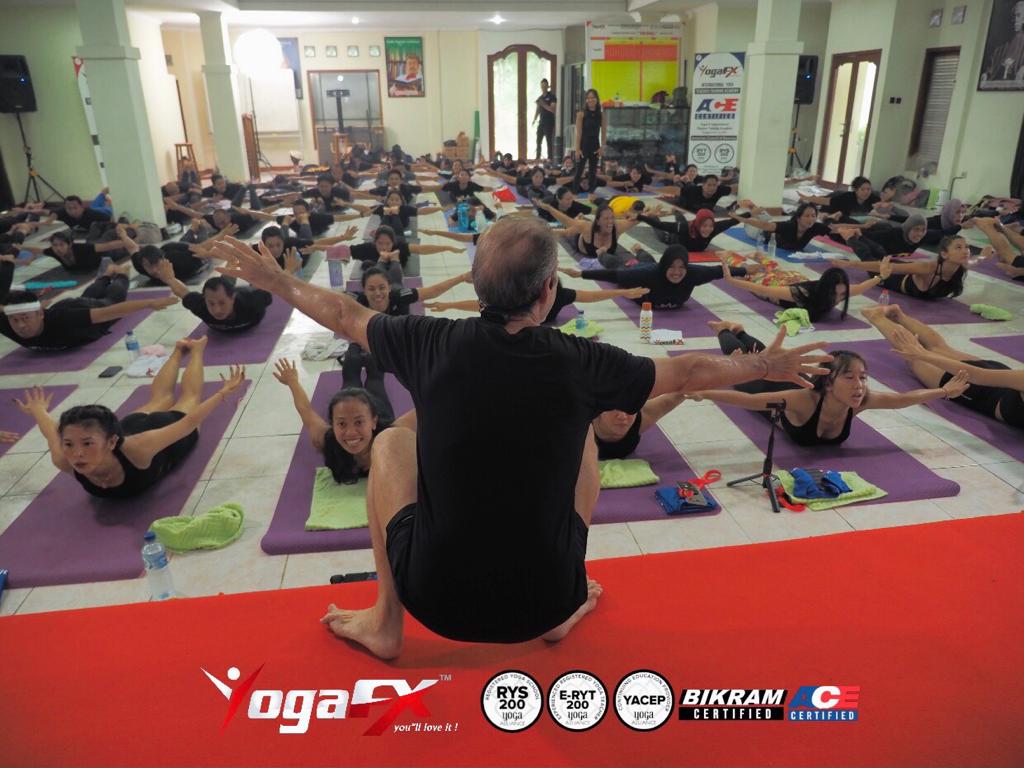
While every Bikram practitioner benefits from Bali’s natural heat, certain groups experience the advantage most acutely:
- First-time Bikram students: The reduced shock of the first class lowers the dropout rate and makes the critical first ten sessions more productive.
- Students from cold northern climates: Those arriving from Canada, Northern Europe, or East Asia feel the most dramatic difference. Their bodies are often chronically cold and tight. Bali’s ambient warmth begins undoing that from the moment they land.
- Older practitioners: Joint stiffness and slower muscle warm-up are common concerns for students in their 40s, 50s, and beyond. Bali’s climate significantly reduces both issues.
- Anyone on a time-limited visit: Students who have one or two weeks in Bali benefit from the accelerated adaptation. The climate helps you feel the effects of the practice faster — making even a short visit genuinely transformative.
- Practitioners returning after a break: Coming back to Bikram Yoga after months or years away is always an adjustment. The pre-warming effect of Bali’s climate makes that re-entry more comfortable and less discouraging.
| EXPERIENCE THE DIFFERENCE FOR YOURSELF Reading about Bali’s climate advantage is one thing. Feeling it is another. Bikram Yoga FX Bali offers drop-in classes daily, open to all levels. If you are in Bali — or planning to visit — your mat is waiting. Visit bikramyogafxbali.com to check the schedule and book your class. |
FAQ
Is it too hot to practice Bikram Yoga in Bali’s climate?
No. Bali’s outdoor temperature — typically 28–34°C — is warm but well below the 40°C of the studio. The natural warmth prepares your body for class rather than overwhelming it. Most students find the transition from Bali’s outdoor heat to the studio significantly easier than the transition from cold climates to the studio.
Does Bali’s humidity make Bikram Yoga harder?
Bali’s humidity is generally well-suited to the Bikram method, which requires approximately 40% humidity inside the studio. Natural humidity supports effective sweating and prevents the drying effect that artificially heated rooms in dry climates can produce. Most students find it comfortable — especially after the first two or three classes.
What is the best time of year to practice Bikram Yoga in Bali?
Bikram Yoga can be practiced in Bali year-round. The dry season (May to September) offers slightly lower humidity and clearer weather, which many students prefer for outdoor recovery time. The wet season (October to April) brings higher humidity, which closely mirrors the studio environment. Either season supports the practice effectively.
Will I sweat more in Bali than at a studio back home?
Most students from cold climates sweat more freely and earlier in class when practicing in Bali. This is a sign of the body working efficiently — not of the practice being harder. Hydration is important in Bali’s climate: drink at least two litres of water in the 24 hours before class.
How does the climate affect recovery between classes?
Bali’s warmth extends the recovery benefit. After a 40°C class, stepping into 30°C outdoor air means your muscles stay warm and loose for longer. Post-class nutrition from fresh tropical food, and quality sleep in Bali’s warm nights, further supports the recovery between sessions.